
Basic obedience training techniques for dogs focus on teaching core commands—sit, stay, come, down, and heel—using clear cues, timely rewards, and short, fun sessions. Consistency and positive reinforcement speed learning, strengthen your bond, and create reliable, polite behavior in any environment.
DoggyZine.com
Basic obedience training techniques for dogs provide the essential foundation every pup needs to become a well-mannered companion. By practicing key commands like sit, stay, and come with positive reinforcement, you’ll quickly shape good habits, build communication, and enjoy a stronger relationship with your dog—no matter its age or breed.
Owning a dog is a rewarding experience, but it also comes with responsibilities. One of the most important aspects of being a pet parent is training your dog. Good training not only ensures that your furry friend behaves well but also strengthens the bond between you and your canine companion. In this comprehensive guide, we will explore the essential techniques for basic obedience training in dogs. Whether you’re a new dog owner or looking to brush up on your training skills, this guide will provide you with the knowledge and tools to train your dog effectively.
Table of Contents
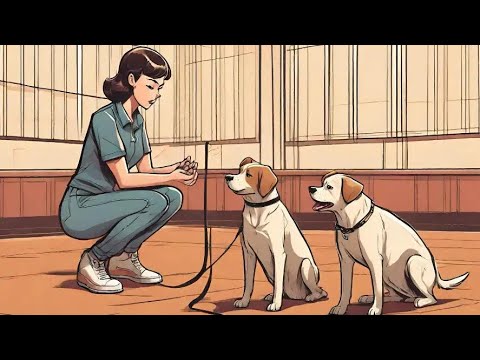
1. The Importance of Training
Why Train Your Dog?
Training your dog is crucial for several reasons. First and foremost, it promotes good behavior and ensures that your dog understands what is expected of them. Dogs thrive on structure and boundaries, and training provides them with the guidance they need to be well-behaved members of your family. Well-trained dogs are happier, healthier, and more confident.
Benefits of Obedience Training
The benefits of obedience training extend beyond just good behavior. Training helps prevent behavioral problems such as aggression, excessive barking, and destructive chewing. It also enhances your dog’s mental stimulation and provides an outlet for their energy. Moreover, a well-trained dog is safer and more reliable in various situations, such as interacting with strangers or being off-leash in a controlled environment.
Training Methods: Positive Reinforcement
When it comes to training dogs, positive reinforcement is widely regarded as the most effective method. Positive reinforcement focuses on rewarding good behavior rather than punishing bad behavior. By rewarding your dog for appropriate actions, you reinforce the association between positive behavior and positive outcomes.
2. Getting Started

Essential Equipment for Training
To begin your training journey, you’ll need a few basic supplies. These include a suitable dog collar or harness that is comfortable for your dog, and a leash appropriate for training purposes. It’s important to choose equipment that is safe and fits your dog properly. Additionally, you’ll need training treats that your dog finds enticing and easy to eat quickly for immediate reward.
Choosing the Right Training Method
Before you start training, it’s essential to select a training method that suits you and your dog. Positive reinforcement, which involves rewarding desired behaviors with treats, praise, or play, is highly effective. Another popular technique is clicker training, where a conditioned reinforcer (the sound of a clicker) is used to mark the desired behavior. Research different training methods and find one that aligns with your training philosophy and your dog’s temperament.
Socialization: The Key to a Well-Rounded Dog
In addition to obedience training, socialization is crucial for raising a well-rounded dog. Socialization exposes your dog to various people, animals, and environments, teaching them to adapt and behave appropriately in different situations. Introduce your dog to new experiences gradually, using positive reinforcement to create positive associations. Puppy socialization classes or controlled playdates with other vaccinated dogs can aid in the socialization process.
3. Training Techniques
Basic Commands: The Foundation of Obedience Training
Teaching your dog basic commands is essential for effective communication and control. Start with simple commands such as “sit,” “down,” and “stay.” These commands form the foundation of obedience training and help establish your role as the leader. Use positive reinforcement techniques, rewarding your dog with treats, praise, or play when they perform the desired behavior correctly.
Recall: Teaching Your Dog to Come When Called
The recall command is vital for your dog’s safety and allows them to enjoy off-leash freedom in appropriate environments. Begin by teaching your dog to come when called in a controlled, distraction-free environment. Gradually increase the level of distractions and practice in different locations. Reward your dog generously for responding promptly and enthusiastically to the recall command.
Leash Training: Walking in Harmony
Leash training is essential for enjoyable walks with your dog. Start by getting your dog used to wearing a collar or harness and walking on a leash in a familiar, low-distraction environment. Use positive reinforcement to reward your dog for walking calmly beside you without pulling. Gradually introduce more challenging environments, such as busy streets or parks, and continue rewarding good leash manners.
Behavior Modification: Addressing Unwanted Behaviors
Behavior modification is a crucial aspect of training, particularly for addressing unwanted behaviors in dogs. Identify the underlying causes of the behavior and develop a training plan to modify it. For example, if your dog jumps on guests, teach them an alternative behavior such as sitting politely to greet visitors. Consistency, positive reinforcement, and patience are key when addressing unwanted behaviors.
Advanced Commands and Tricks
Once your dog has mastered the basic commands, you can move on to teaching them advanced commands and fun tricks. Advanced commands, such as “leave it” or “drop it,” provide additional control in challenging situations. Tricks, like rolling over or giving a high five, not only impress others but also provide mental stimulation and strengthen the bond between you and your dog.
4. Training Tips and Strategies

Consistency is Key
Consistency is crucial in dog training. Use the same cues and hand signals for each command, and ensure that all family members are on the same page when it comes to training techniques and rules. Dogs thrive on routine and clear expectations, so consistency promotes faster learning and better retention of commands.
Short, Frequent Training Sessions
Short, frequent training sessions are more effective than long, sporadic sessions. Dogs have short attention spans, especially puppies, so keeping training sessions to 10-15 minutes, two to three times a day, helps maintain their focus and engagement. Remember to end each session on a positive note and reward your dog for their efforts.
Training in Different Environments
Dogs often struggle to generalize commands to different environments. To ensure that your dog responds correctly in various situations, practice training in different locations, both indoors and outdoors. Gradually increase the level of distractions, such as other dogs or people, to reinforce your dog’s training in real-world scenarios.
Fun and Engaging Training
Training should be enjoyable for both you and your dog. Incorporate play and interactive activities into your training sessions to keep them engaging and fun. Use toys, games, or short play sessions as rewards for your dog’s accomplishments. This not only motivates your dog but also strengthens the bond between you and encourages them to view training as a positive experience.
5. Seeking Professional Help
When to Consider Professional Training
If you encounter challenges or feel overwhelmed during the training process, seeking professional help can be beneficial. Professional dog trainers have the knowledge and experience to address specific training issues and provide guidance tailored to your dog’s needs. They can offer private training sessions or recommend group obedience classes to enhance your training program.
Choosing a Dog Trainer
When selecting a dog trainer, do thorough research to find a reputable and experienced professional. Look for trainers who use positive reinforcement techniques and have certifications or memberships in recognized training organizations. Read reviews, ask for recommendations, or attend a training class as an observer to assess the trainer’s methods and compatibility with your training goals.
Dog Obedience Classes
Enrolling your dog in obedience classes can be a valuable addition to your training program. Group classes provide opportunities for socialization and distractions that mimic real-world situations. Additionally, they offer guidance from an experienced trainer and allow you to learn from other dog owners facing similar challenges. Consider joining a local dog training club or facility that offers obedience classes.
Conclusion
Training your dog is a fulfilling and rewarding journey that strengthens the bond between you and your furry friend. By implementing the techniques and strategies outlined in this guide, you can establish a solid foundation of obedience and good behavior in your dog. Remember to be patient, consistent, and positive throughout the training process. With time and dedication, you will have a well-trained companion that brings joy and happiness to your life.
Additional Information: It’s important to note that while training is essential, it should be combined with proper care, exercise, and regular veterinary check-ups to ensure the overall well-being of your dog.

FAQs
What are the basic obedience training techniques for dogs?
Basic obedience training techniques for dogs include teaching sit, stay, come, down, and heel through short, reward-based sessions—core dog obedience basics every owner should master.
How long does beginner dog training take?
Beginner dog training typically takes four to six weeks of consistent, daily practice. Using basic obedience training techniques for dogs speeds progress and keeps sessions engaging.
Can puppy obedience commands start at eight weeks?
Yes! Puppies as young as eight weeks can learn puppy obedience commands like sit and come. Early, gentle practice with beginner dog training methods builds lifelong habits.
What rewards work best for dog obedience basics?
High-value treats, praise, and toys are ideal rewards when teaching basic obedience training techniques for dogs; immediate reinforcement cements the correct behavior.
How do I fix mistakes during basic obedience sessions?
Simply reset and try again—avoid scolding. Positive repetition of beginner dog training cues helps your dog understand, while keeping motivation high and training stress-free.
“Beagle graphic tee for proud dog lovers.”