



Common signs a dog is nearing the end of life include extreme fatigue, loss of appetite, disorientation, incontinence, and reduced interest in surroundings. These symptoms signal that the body is slowing down. Recognizing them allows owners to offer comfort and prepare for a peaceful goodbye.
DoggyZine.com
Watching your beloved pet show signs a dog is dying is an emotionally difficult journey. From subtle changes in energy levels to obvious physical decline, understanding these symptoms helps you support your dog through this sensitive stage. This guide explains what to expect and how to lovingly navigate the process.
As pet owners, it’s inevitable that we will have to face the difficult reality of our beloved dogs nearing the end of their lives. While there are numerous articles available on euthanasia, there is limited information on the signs of natural death in dogs. In this article, we will delve into the topic of a dog’s natural death and provide insights into what to expect during this process. By recognizing the signs, we can ensure our pets have a comfortable and dignified journey.
Table of Contents
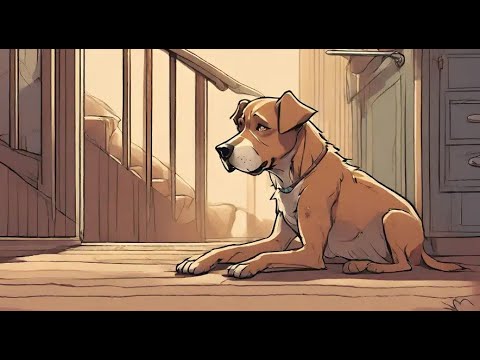
Understanding Natural Death in Dogs
While natural death in dogs is relatively rare, it is essential for pet owners to be aware of the signs that may indicate their dog is approaching the end of their life. These signs can often be mistaken for general aging or illness, making it challenging to determine when the end is near. However, by observing your dog’s behavior, you can identify specific changes that suggest they are transitioning towards death.
It is important to note that these signs may also indicate sickness or other changes in your dog’s health. Therefore, if you notice these signs, it is crucial to consult your veterinarian to confirm your suspicions and seek guidance on how to make your pet more comfortable during this time.
Signs of Approaching End of Life in Dogs

Here are some common signs to watch out for in an elderly or sick dog that may indicate they are nearing the end of their life:
1. Decline in Coordination
Loss of coordination is a significant indication that your dog’s time may be drawing near. This can manifest as stumbling, difficulty walking, or a general lack of balance. While it can be a symptom of other conditions, when combined with other signs, it suggests that your dog is preparing for their passing.
2. Loss of Appetite
One of the most common signs of a dog nearing the end of life is a loss of appetite. Your dog may refuse to eat or become picky with their food. Medications or illnesses can cause a loss of taste or smell, contributing to their decreased interest in food. To stimulate their appetite, offer foods with strong smells or warm their food to enhance the scent. Your veterinarian may also prescribe appetite stimulants or medications to reduce nausea if necessary.
3. Decreased Water Intake
In addition to a loss of appetite, your dog may also drink less water as they approach the end of their life. To ensure they stay hydrated, consider switching to canned food or adding water to their meals. If necessary, you can offer water using a squirt bottle or oral syringe, providing small amounts at a time. It’s important to use a clean bottle that has never contained any chemicals.
4. Extreme Weight Loss

Weight loss is often a result of decreased appetite and is commonly observed in senior dogs. As they age or become more ill, weight loss can accelerate. To determine if digestion is the cause, try feeding your dog more easily digestible protein sources such as eggs, chicken, beef, lamb, or proteins derived from organs like kidney, heart, and liver.
5. Lethargy and Reduced Activity
As dogs near the end of their life, they tend to sleep more and lose interest in activities they once enjoyed. Lethargy and a lack of energy are common signs that your dog is approaching the end. Provide them with comfortable resting places around the house, complete with their favorite blankets and toys, to support their changing needs.
6. Changes in Social Behavior
Dogs nearing the end of their life may exhibit changes in social behavior. They might isolate themselves from humans or other pets, seeking solitude. On the contrary, some dogs become unusually clingy or needy, desiring more attention and affection. Respect your dog’s need for space if they prefer solitude, but also provide them with extra love and comfort if they seek closeness.
7. Decreased Mobility and Poor Coordination
Senior dogs often experience decreased mobility and poor coordination as they age. These changes can worsen over time and significantly impact their quality of life. You may notice that your dog walks instead of runs, stumbles frequently, or struggles with stairs and furniture. Ensure their food and water bowls are easily accessible, consider using dog socks to prevent slipping, and provide ramps for easier movement.
8. Incontinence
Loss of bladder or bowel control is common in senior dogs and can worsen as they approach the end of their life. Dogs may have accidents in their sleep or while walking. It’s important to be understanding and avoid punishing your pet for accidents, as it will only cause additional stress. Encourage more frequent outside trips and consult your veterinarian for possible treatments, especially if a urinary tract infection is the cause.
9. Irregular Breathing
Abnormal breathing patterns and signs of breathing difficulty, even while resting, can indicate that your dog is nearing the end of their life. Examples include open-mouth breathing or brief pauses in breathing. If you observe these signs, consult your veterinarian for guidance.
10. Difficulty Regulating Body Temperature
Sick, aging, or dying dogs may struggle to regulate their body temperature. They may become excessively hot or cold, requiring specific environmental adjustments. Provide a shaded area with access to water during warmer months, and ensure your dog has a warm and cozy bed with blankets during colder months.
11. Seizures
In some cases, dogs nearing the end of their life may experience seizures. These can be caused by kidney failure or underlying brain conditions. If your dog has a seizure, consult your veterinarian to determine the underlying cause and explore possible treatment options. Seek immediate veterinary attention if your dog has a seizure lasting longer than two minutes or experiences multiple seizures

FAQs
What are the first signs a dog is dying?
The first signs a dog is dying include fatigue, decreased appetite, withdrawal from family, and changes in sleep patterns. These early dog end-of-life symptoms are often subtle but meaningful.
How do I know when it’s time to say goodbye to my dog?
When your dog experiences consistent pain, can no longer enjoy basic activities, or shows prolonged distress, it may be time to say goodbye. Always consult a vet regarding your dog’s dying behavior.
What does end-of-life behavior look like in dogs?
End-of-life behavior in dogs may include confusion, incontinence, restlessness, or excessive sleeping. Recognizing dog dying behavior helps in providing emotional and physical comfort.
Can a dog sense when it’s about to die?
Some dogs exhibit awareness by seeking solitude or becoming unusually affectionate. While it’s not scientifically confirmed, dog dying behavior often reflects a shift in their awareness and demeanor.
How can I make my dog’s final days more comfortable?
Provide a quiet, warm space, maintain a gentle routine, and offer pain management. Understanding signs a dog is dying helps create a peaceful environment during this final journey.
“Chow Chow Graphic Tee for proud dog lovers.”





