
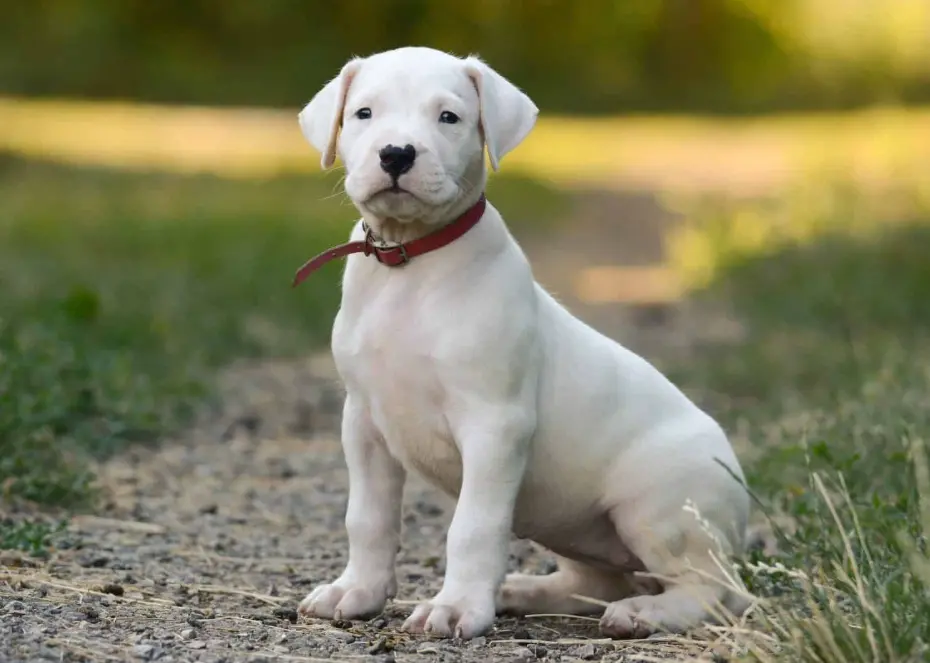
The Dogo Argentino temperament is loyal, protective, and highly intelligent, making them exceptional guard dogs and family companions. They require consistent training, early socialization, and plenty of exercise to manage their strong prey drive. This breed thrives with experienced, active owners who provide structure and affection.
DoggyZine.com
The truth about Dogo Argentino temperament goes beyond its muscular build and striking looks — this breed is fiercely loyal, highly intelligent, and naturally protective. With proper training, early socialization, and active engagement, the Dogo Argentino can be both a loving family companion and a reliable protector.
Dogo Argentinos have an impressive physical presence that matches their strong temperament. Males of this breed weigh 90-100 pounds and stand up to 27 inches at the shoulder. Breeders in central Argentina originally developed these athletic dogs to hunt large game like wild boar and pumas. Their unique personality blends raw strength with sharp intelligence.
These powerful dogs make devoted family companions despite their commanding size. The breed earned AKC recognition in 2020, which helped more families find out about their remarkable traits. Dogo Argentinos need plenty of mental challenges to thrive. Their temperament with other dogs varies, but they remain friendly yet protective in suitable environments. A deep understanding of these complex Argentine dogs helps create lasting bonds between pets and their owners.
Table of Contents

The Origins Behind the Dogo Argentino Temperament
The Dogo Argentino temperament traces back to its thoughtful creation. Dr. Antonio Nores Martinez’s vision brought this breed to life in 1928 in Argentina’s Cordoba province. He used careful crossbreeding to create what would become the ultimate hunting companion.
How the breed was developed for hunting
Dr. Martinez started with the now-extinct Cordoba Fighting Dog, known for its remarkable strength and vigor. The Cordoba Dog’s extraordinary courage wasn’t enough on its own. The dog lacked what it took to hunt in packs.
Martinez turned these fighting dogs into skilled hunters step by step. He wanted to develop a canine athlete that could track and hold dangerous prey. These dogs had to handle wild boars weighing up to 400 pounds and even pumas. The dogs needed exceptional stamina and power to hunt in big territories with different terrains.
The dogo argentino breed matched Argentina’s unique hunting style. Sportsmen brought down game without firearms and used only knives. This meant the dogs needed steady nerves and bravery. They had to be athletic enough to track prey, quick enough to dodge attacks, and strong enough to stand their ground.
Influence of foundation breeds on behavior
Martinez picked specific breeds to boost particular behavioral traits:
- Pointer: Added keen scenting ability essential for tracking
- Boxer: Brought vivacity, gentleness, and tractability
- Great Dane: Added height and physical presence
- Bull Terrier: Brought fearlessness and the distinctive white coat
- Irish Wolfhound: Added hunting instinct for wild game
- Pyrenean Mastiff: Gave a steady, calm temperament
These careful combinations created a dog with raw power and athleticism, balanced with loyalty and emotional depth.
Why temperament was a key breeding goal
Temperament stayed at the heart of Martinez’s vision throughout the breeding process. His brother Agustin noted they worked beyond physical abilities. They wanted to “deprive them of that fighting eagerness against other dogs, which made them useless for pack hunting”.
The breeders wanted to create sociable dogs that could live freely with families while keeping their courage for noble purposes. This focus on temperament created a dog with remarkable nerve stability—fearless yet controlled.
The dogo argentino temperament with other dogs shows careful breeding. These dogs naturally get along with others thanks to their pack-hunting heritage. They might develop territorial issues with same-sex dogs. The breed’s level-headed nature helps them read situations well and react appropriately.
Key Traits That Define the Dogo Argentino Breed
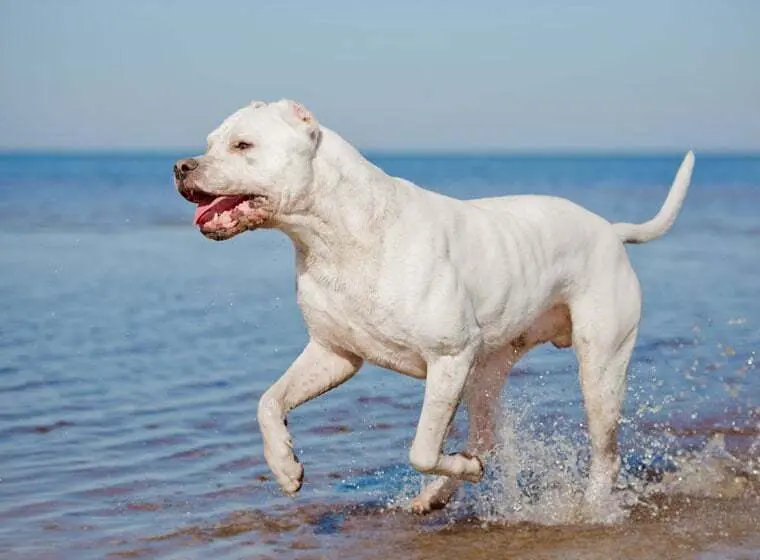
Courage stands without doubt as the defining trait of the dogo argentino temperament. These dogs show an exceptional level of bravery that makes them unique among other breeds. A well-bred Dogo shows remarkable tenacity and takes on prey without hesitation. Their courage comes from a very stable temperament—a perfect balance that lets them stay fearless yet controlled.
Courage and confidence
The dogo argentino breed shows confidence in almost every situation. Their strong mental stability helps them face challenges with measured boldness instead of reactive aggression. These self-assured dogs stay steady even when stressed. As hunting dogs bred to take down dangerous game, Dogos keep an alert, intelligent expression “with a marked hardness” that shows their inner strength.
Affectionate yet independent
A gentle nature lies behind their powerful exterior, especially with family. These dogs build deep bonds with their owners and love physical affection and praise. Their independent nature helped them excel as hunters who needed to think on their own. Many new owners find it hard to handle this mix, as Dogos need strong leadership to balance their loving nature with their stubborn personality.
Protective but not aggressive by default
The dogo argentino temperament protective instincts come from natural watchfulness. They guard their territory and family closely, but well-socialized Dogos rarely act aggressive. Research shows they focus their protective behavior on real threats—they guard their territory (61.3%) and stay wary of visitors (45.3%). They almost never show aggression toward their owners.
Differences in female Dogo Argentino temperament
The female dogo argentino temperament shows more reserve and independence than males. Female Dogos grow up faster and show less aggressive behavior. They handle being alone better too. Experienced owners say females tend to be more loving and social, and they often try harder to please during training.
Living With a Dogo Argentino: Real-World Behavior
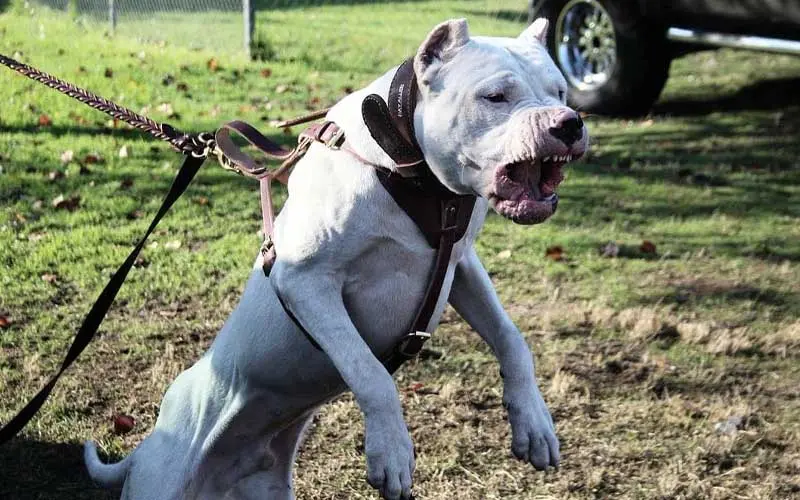
Life with a dogo argentino shows their true character beyond their hunting roots and breeding background. Their real-life behavior helps owners build the perfect environment for these powerful companions.
How they behave in a family setting
The dogo argentino temperament truly shines in family environments. These dogs create deep emotional connections with family members and welcome most strangers after proper introductions. They flourish with plenty of attention and love to participate in family activities.
Well-trained dogos can be surprisingly gentle with children, but supervision remains necessary because of their size and strength. Families with very young children should think twice as accidental bumps could cause injuries. Their natural guardian instincts make them excellent protectors that watch over family members with steadfast dedication.
Temperament with other dogs and pets
The dogo argentino temperament with other dogs presents some challenges. These dogs tend to show aggressive behavior toward other dogs, particularly those of the same sex. Socialization from an early age is significant – dogs without it might see unfamiliar dogs as rivals.
Their hunting instincts give them a strong prey drive. They usually chase smaller pets unless they grow up with cats and other small animals from puppyhood. These traits make them unsuitable for homes with multiple pets.
Signs of boredom or under-stimulation
Athletic and intelligent dogos need substantial mental and physical stimulation. A bored dogo might show:
- Destructive behaviors (chewing furniture, digging)
- Excessive barking and pacing
- Property destruction
- Restlessness
These dogs require at least 60 minutes of intense exercise daily combined with mental challenges to avoid unwanted behaviors.
How behavior changes with age
The dogo argentino breed becomes calmer with maturity but maintains its energetic spirit throughout life. Most display puppy-like enthusiasm until they reach 18 months to 2 years. Female dogs usually mature and settle down earlier than males.
Dogos keep their protective instincts and energy levels throughout their lives and never become completely relaxed. Balanced training and regular exercise remain vital as they age to maintain their stable dogo argentino temperament.
Raising a Well-Adjusted Dogo Argentino
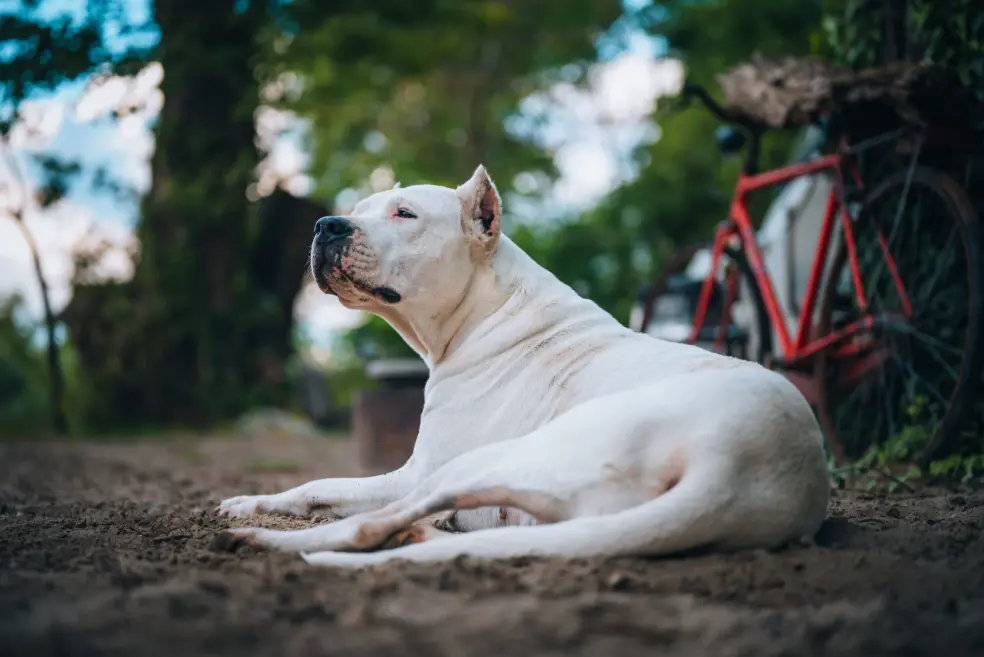
Your puppy’s arrival marks the beginning of shaping a balanced dogo argentino temperament.
Importance of early socialization
The dogo argentino breed needs crucial socialization between 3-16 weeks. Puppies learn best from new experiences during this time. Your Dogo needs exposure to different people, animals, and environments under positive, controlled conditions. Puppy kindergarten classes offer great opportunities to combine socialization with simple training. These powerful dogs might develop fear-based aggression or inappropriate protective behaviors without proper social exposure.
Training tips for strong-willed dogs
The dogo argentino dog learns best through positive reinforcement. This sensitive breed can become distant with harsh corrections, which slows down learning. Your training sessions should last under 10 minutes and end positively. You’ll need patience to break down commands into manageable steps. These independent thinkers need a confident leader who sets clear, consistent boundaries.
Creating a structured daily routine
The dogo argentino temperament protective traits thrive on structure and stability. Your Dogo needs fixed times to eat, exercise, train and rest. These dogs can become destructive, hyperactive, or anxious without enough physical and mental stimulation. A regular schedule helps them understand what you expect and reduces bad behavior.
Avoiding common behavioral mistakes
Mixed messages from family members about rules like furniture privileges can frustrate these smart dogs. Missing the key socialization window makes behavior correction much harder later. Your energetic breed will develop behavioral issues without enough exercise and mental challenges. These problems become almost guaranteed when you skip proper stimulation.
Conclusion
The Dogo Argentino’s temperament combines raw physical power with a complex emotional side. These dogs pack courage and confidence that puts other breeds to shame, yet they show remarkable gentleness with their families. Their hunting background shapes their personality traits. Good training can turn these natural instincts into positive qualities rather than problems.
New owners should think about their ability to give these dogs the structure, exercise, and firm leadership they need. A Dogo runs on clear direction and gets frustrated without proper guidance or enough mental stimulation. On top of that, their protective nature makes early socialization crucial to raise a balanced adult dog.
Ask any Dogo Argentino owner and they’ll tell you – these dogs are challenging but worth every minute. Their loyalty runs deep, and their smarts help them shine in activities when guided right. That’s why future owners need to take a hard look at whether they can handle this breed’s physical and mental demands before bringing one home.
These dogs aren’t right for everyone. But families ready to put in the work with training and socialization end up with an incredibly devoted friend. The Dogo Argentino strikes an amazing balance between strength and sensitivity – a hunting breed that builds deep emotional bonds with people. Success with these dogs comes from understanding their unique nature and giving them the guidance to reach their full potential.
FAQs
What is the true temperament of a Dogo Argentino?
The Dogo Argentino temperament is a mix of loyalty, protectiveness, and intelligence. With the right training and early socialization, they become affectionate family dogs while maintaining strong guarding instincts.
Are Dogo Argentinos aggressive by nature?
Dogo Argentinos are not naturally aggressive toward people when well-trained. However, without proper training and socialization, their strong protective temperament can lead to unwanted behaviors.
Is the Dogo Argentino good with children?
Yes, when raised with respect and proper boundaries, the Dogo Argentino’s temperament is loving and gentle with children, though supervision is always recommended due to their size and strength.
How do you train a Dogo Argentino for a balanced temperament?
To shape a stable Dogo Argentino temperament, start training early with positive reinforcement, socialization around people and pets, and consistent structure in daily routines.
Can a first-time dog owner handle a Dogo Argentino?
Due to their strong temperament, Dogo Argentinos are best suited for experienced owners who understand training, leadership, and meeting the breed’s high physical and mental needs.
“Dogo Argentino Graphic Tee for proud dog lovers.”