



Canine wellness tips focus on maintaining your dog’s physical and mental health through proper diet, exercise, and preventive care. Regular vet visits, clean hydration, and emotional bonding all contribute to a longer, happier, and healthier life.
DoggyZine.com
Keeping your dog in top shape goes beyond food and playtime. These 12 canine wellness tips help you create a happy, healthy life for your furry companion. From nutrition and vet care to emotional support and daily exercise, discover how to improve your dog’s overall well-being.
As a responsible dog owner, you want nothing but the best for your furry friend. Ensuring your dog’s wellness is essential for their overall health and happiness. From regular vet visits to a nutritious diet and plenty of exercise, there are various ways you can keep your canine companion in top shape. In this comprehensive guide, we’ll explore twelve expert tips for maintaining your dog’s well-being and promoting a long and fulfilling life.
Table of Contents

1. Regular Vet Visits for Optimal Health
Maintaining your dog’s health starts with regular visits to the veterinarian. Just as humans benefit from annual check-ups, these wellness exams allow your vet to monitor your dog’s overall health and detect any potential issues early on. During these visits, your vet will conduct a thorough examination, update vaccinations if necessary, and address any concerns you may have. By being proactive about your dog’s veterinary care, you can ensure they receive the necessary treatments and preventive measures for a healthy life.
2. A Nutritious Diet for a Strong Foundation
Proper nutrition is crucial for your dog’s well-being. A well-balanced diet provides the essential nutrients, vitamins, and minerals necessary for their overall health and vitality. Opt for high-quality dog food that is rich in protein, essential fatty acids, and natural antioxidants. Avoid foods with excessive fillers, artificial additives, and by-products. Consult with your veterinarian to determine the right diet for your dog’s specific needs, considering factors such as age, breed, and any existing health conditions.
3. Exercise: The Key to a Happy and Fit Dog
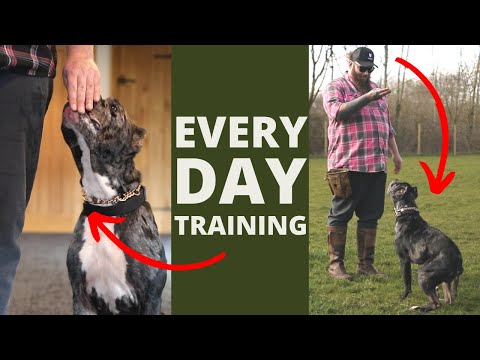
Regular exercise is essential for keeping your dog in optimal shape both physically and mentally. Engaging in daily activities helps maintain a healthy weight, strengthens muscles and bones, and reduces the risk of obesity-related diseases. The amount of exercise required depends on your dog’s breed, age, and overall health. Aim for at least 30 minutes of physical activity each day, such as brisk walks, runs, or interactive play sessions. Not only will exercise benefit your dog, but it will also deepen the bond between you and your furry companion.
4. Vaccinations: Shielding Your Dog from Preventable Diseases
Keeping your dog up-to-date on vaccinations is crucial for their protection against various diseases. Core vaccines, such as those for distemper, parvovirus, and rabies, are essential for all dogs. Additionally, consult with your veterinarian to determine if your dog requires non-core vaccines based on their lifestyle and geographic location. Vaccinations play a vital role in preventing the spread of infectious diseases and safeguarding your dog’s overall health.
5. Socialization: Building a Well-Behaved and Confident Dog

Socialization is key to raising a well-behaved and confident dog. Exposing your furry friend to various social situations, people, and other dogs from an early age helps them develop appropriate behavior and communication skills. Consider enrolling your dog in training classes or participating in the Canine Good Citizen (CGC) program, which rewards dogs for displaying good manners both at home and in the community. Regularly allowing your dog to interact with other dogs in safe environments, such as dog parks or playdates, promotes their social skills and reduces the likelihood of behavioral issues.
6. Maintaining a Healthy Weight: Avoiding the Dangers of Obesity
Obesity is a growing concern in the canine world and can lead to various health problems. Maintaining a healthy weight is crucial for your dog’s overall well-being. Regular exercise, portion control, and feeding a well-balanced diet are key factors in managing your dog’s weight. Consult with your veterinarian to determine the ideal weight range for your dog’s breed and size. By keeping your dog at a healthy weight, you can reduce the risk of obesity-related diseases and promote their longevity.
7. Dental Care: The Gateway to Overall Health
Many pet owners overlook the importance of dental care, but it plays a significant role in your dog‘s overall health. Poor oral hygiene can lead to gum disease, tooth decay, and even systemic infections that affect vital organs. Establish a regular dental care routine for your dog, including brushing their teeth with a dog-specific toothpaste and providing dental chews or toys to promote oral health. Additionally, schedule professional dental cleanings with your veterinarian as needed to prevent tartar buildup and maintain a healthy mouth.
8. Pet-Proofing Your Home: Ensuring Safety and Well-Being
Creating a safe environment is crucial for your dog’s well-being. Pet-proof your home by removing any potential hazards that could harm your furry friend. Secure electrical cords, store chemicals and medications out of reach, and ensure toxic plants are not accessible. Consider crate training or using baby gates to restrict access to certain areas when necessary. By taking these precautions, you can minimize the risks of accidents or ingestions, providing a secure environment for your dog.
9. Identification: Ensuring a Safe Return Home
Identification is vital in case your dog goes missing. Ensure your dog has proper identification, including a collar with tags displaying your contact information. Additionally, microchipping your dog provides an added layer of protection. If your dog gets lost and is found by a shelter or veterinarian, they can scan the microchip to retrieve your contact details. This increases the chances of a safe and prompt reunion with your beloved pet.
10. Parasite Prevention: Shielding Your Dog from Harmful Pests

Parasites, such as fleas, ticks, and heartworms, pose significant health risks to your dog. Implement a year-round parasite prevention plan recommended by your veterinarian. Regularly administer flea and tick preventatives to protect your dog from infestations and the diseases these pests carry. Additionally, discuss heartworm prevention options with your vet and ensure your dog receives the necessary preventive treatments. By protecting your dog from parasites, you can safeguard their well-being and prevent potential health complications.
11. Pet Insurance: Preparing for the Unexpected
Pet insurance provides financial protection in case of unexpected accidents or illnesses. It helps alleviate the financial burden of veterinary expenses and ensures that your dog can receive the necessary medical care without hesitation. Consider enrolling in a pet insurance plan that suits your dog’s needs and covers both routine wellness care and emergency treatments. Before choosing a policy, carefully review the coverage options, exclusions, and reimbursement rates to make an informed decision.
12. Unconditional Love: Nurturing Your Furry Friend’s Well-Being
Above all, shower your dog with love and attention. Dogs thrive on human companionship and deep bonds with their owners. Spend quality time together, engage in play, and offer plenty of affection. Your love and care contribute to your dog’s overall well-being and happiness. Treat them as a cherished member of your family, and their unconditional love will bring joy to your life.
Conclusion
Caring for your dog’s wellness is a lifelong commitment that requires attention to various aspects of their health. From regular vet visits and a nutritious diet to exercise, socialization, and preventive measures against parasites, following these twelve tips will help keep your dog healthy and happy. Remember, your dog relies on you for their well-being, and by prioritizing their health, you can enjoy many joyful and memorable years together. Embrace the role of a responsible pet owner and provide the love and care your furry friend deserves.

FAQs
What are the most important aspects of canine wellness?
The most important aspects of canine wellness include proper nutrition, regular exercise, mental stimulation, vet checkups, and emotional bonding. These elements ensure your dog stays healthy, happy, and active throughout its life.
How can I keep my dog mentally stimulated at home?
To support canine wellness and mental stimulation, use interactive toys, teach new tricks, or rotate games. Mental exercise is just as essential as physical activity for overall dog health.
What foods promote dog health and wellness?
Foods that promote dog health include lean proteins, omega-3 fatty acids, and fiber-rich vegetables. These support immune function, skin health, and energy levels, key factors in canine wellness.
How often should I visit the vet for my dog’s wellness check?
For optimal canine wellness, schedule wellness checkups at least once a year. Puppies and senior dogs may require more frequent visits to monitor changes in dog health.
Can emotional bonding improve my dog’s wellness?
Yes, emotional bonding is a key part of canine wellness. Dogs thrive on affection and routine, which helps reduce anxiety and leads to better physical and mental health.
“Cane Corso Graphic Tee for proud dog lovers.”





