


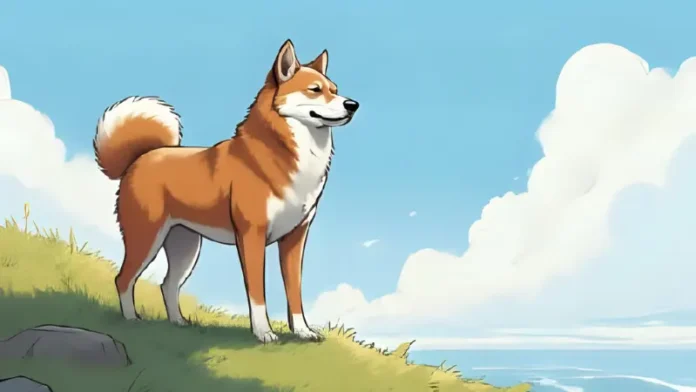
Shiba Inus are known for their independence and stubborn streak, making them a challenging choice for first-time dog owners. If you’re looking for a highly trainable, affectionate dog, this breed may not be the best fit.
DoggyZine.com
Thinking about getting a Shiba Inu? This compact, fox-like breed may look adorable, but it comes with serious challenges. Known for their strong-willed personality, aloof nature, and escape-artist tendencies, Shiba Inus are not ideal for everyone—especially first-time dog owners. In this honest 2025 guide, we’ll explore why the Shiba Inu might not be the right dog for your lifestyle.
Shiba Inus might live longer than any other dog breed at 15.5 years, but these adorable Japanese canines aren’t the perfect match for everyone. The “Doge” meme made them internet celebrities, yet these small hunting dogs need owners who can handle their unique traits.
Their fox-like looks definitely turn heads, though Shiba Inus can challenge even experienced dog owners. These dogs show high aggression and reactivity levels, paired with only medium trainability. Their behavior also includes the famous “Shiba scream” – a distinctive sound they make at the time they’re excited or upset. Training becomes tricky due to their stubborn, independent nature. The price tag ranges from $1,400 to $3,500, making them much more than just a financial investment.
This piece will tell you what you need to know about bringing a Shiba dog home. You’ll learn about their strong prey drive, their struggles with separation anxiety, and health issues like patella luxation that affects all but one of these dogs in Japan’s Shiba population.
Table of Contents

Understanding the Shiba Inu Breed
The Shiba Inu, one of Japan’s most beloved dog breeds, came into existence about 2,300 years ago. These compact hunters stand out as the smallest among Japan’s six native dog breeds. Their rich heritage shapes their modern behavior and looks.
Origin and historical background
The Shiba Inu’s story dates back to around 300 B.C.. Some archeological findings hint that their ancestors might have come with the first Japanese settlers as early as 7000 B.C.. These dogs were bred to hunt birds and small game in Japan’s mountains, and they sometimes even tackled wild boar. This role required them to be quick, watchful, and self-reliant.
The breed’s bloodline stayed pure until European dogs arrived in the 17th-18th centuries. These newcomers mixed with local dogs in busy areas. Luckily, rural Shibas managed to keep their pure lineage. By 1912, the situation looked grim – pure Shibas had become extremely rare.
World War II almost wiped out the Shiba Inu. Many died during bombing raids or fell victim to distemper after the war. Only three bloodlines made it through: the Shinshu Shiba from Nagano Prefecture, the Mino Shiba, and the San’in Shiba. Careful breeding of these survivors created today’s Shiba Inu, which Japan named as a Natural Monument in December 1936.
Physical traits and coat types
Shiba Inus look remarkably like foxes with their pointed muzzle and upright ears. These compact dogs weigh between 17-23 pounds. Males stand 14.5-16.5 inches tall while females measure 13.5-15.5 inches.
Their thick double coat stands out as a key feature. It combines a soft, dense undercoat with stiff outer guard hairs up to 2 inches long. The breed’s tail catches everyone’s eye – it curls up over their body and sports thick fur.
The breed comes in four official colors:
- Red (from light red to deep orange red)
- Black and tan (with specific tan markings)
- Sesame (red with black-tipped hairs scattered evenly)
- Cream (less popular in show rings)
Every Shiba shows off white or cream “urajiro” markings on their muzzle’s sides, cheeks, ear insides, underjaw, throat, legs, belly, and tail’s underside. Nature developed this pattern over time as camouflage.
Common Shiba Inu characteristics
The Shiba Inu’s personality makes them truly special. Japanese breeders use three words to describe them: “kan’i” (spirited boldness), “ryōsei” (good nature), and “soboku” (artlessness). These traits create a dog that stays independent yet loyal.
Shibas rank high in intelligence. Experts rate them as having “high aggression, high reactivity and medium trainability”. They often demonstrate stubbornness during training. The National Shiba Club of America points out that most Shibas won’t blindly follow commands.
Many owners say their Shibas act like cats. They groom themselves, value independence, and can be standoffish. These dogs bond deeply with their families but stay cautious around strangers. Their alertness makes them great watchdogs, though some bark too much.
Unlike other dogs, Shibas show affection sparingly and prefer to interact on their terms. They need regular brain games and exercise to avoid anxiety and destructive behavior. Japanese research shows Shibas tend to destroy things, resist leash walking, mount objects, and chase their tails more than other breeds.
Bold and busy Shibas keep life interesting with their clever mischief. Their sense of humor wins over dedicated owners who love their unique character. Early socialization helps them get along with other dogs and kids, but they’ll always keep their distinctive Shiba personality.
Temperament Traits That May Surprise You
A Shiba’s fox-like features and alert expression hide a complex personality that surprises many first-time owners. Their temperament blends opposing traits that make them fascinating pets to have around, though they can be quite challenging.
Independent but not always obedient
The Shiba Inu’s independence draws many potential owners, but this trait needs some explanation. Yes, it is true that Shibas think for themselves and make their own decisions—they have opinions about pretty much everything. Notwithstanding that, they’re not the lone wolves some might expect.
In stark comparison to this common belief, Shibas need their humans more than many other breeds do. They like staying inside and close to their people’s space. More than that, they rarely do things on their own—they’ll wait for someone to play with toys or check out the yard together. Leave them alone too long and they might tear things up or try to run away.
Their independence shows up in their stubborn streak and selective hearing. A breeder puts it well: “Shiba Inus are easily trained; but their stubborn nature means they may not always listen to your commands.” Smart enough to know what you want, they might just decide it’s not worth their time. That’s why experts say they have “high aggression, high reactivity and medium trainability.”
High prey drive and escape tendencies
The Shiba Inu’s “phenomenally high prey drive” defines their character more than almost anything else. These dogs were bred to hunt everything from rabbits to boar, deer, and even bears. Modern Shibas still love to chase—hunting runs deep in their blood.
This natural instinct creates two big challenges:
- They can never be trusted off-leash in unsecured areas regardless of training
- You need to watch them carefully around smaller pets (especially non-dogs)
The Shiba’s escape artist skills worry owners even more. An owner with lots of experience says, “Shibas love the outdoors so much they’ll do anything to sneak out and end up halfway across the neighborhood in minutes.” They climb fences, dig tunnels, or dash through any open door they spot.
These behaviors mean Shiba owners must stay alert. You’ll need entry point “airlocks,” regular fence checks, and no dog doors for unsupervised outdoor access.
Shiba Inu behavior around strangers and kids
Shibas react to new people with anything from cool curiosity to clear suspicion. One owner shares: “They may be receptive to strangers, but not particularly interested in them.” Don’t expect the excited greetings many dogs give—Shibas just aren’t built that way.
Good socialization from puppyhood helps Shibas accept strangers better. Without it, they might fear or act aggressive toward new people. Even with the best training, your Shiba will likely stay somewhat distant—that’s just who they are.
About kids? Experienced Shiba owners don’t sugarcoat it: “Shibas are not the ideal child’s pet.” They’re too independent, impatient, and hate rough handling to be good with young children. A rescue group warns, “Unless a Shiba grows up with kids from puppyhood, they often don’t like them.”
The biggest issues with children include:
- Shibas don’t like hands coming at them and jump at sudden moves
- They might treat kids like fellow puppies instead of bosses
- They guard their food, toys, or space
- They hate being grabbed or chased
Families who still want a Shiba must focus on early socialization and watch all interactions closely. Both the dog and kids need to learn and respect boundaries.
Training Challenges with Shiba Inus

Training a Shiba Inu needs a different approach compared to other popular dog breeds. These smart yet strong-willed canines create challenges that test even seasoned dog owners. You need to understand these challenges to build a successful training bond with your fox-like companion.
Why recall training is difficult
Teaching your dog to come when called proves especially tough with Shiba Inus. Their hunting background creates a major roadblock to mastering this essential skill. These dogs were bred to flush small game on their own, and modern Shibas still have that powerful prey drive that can override your best training efforts.
“Ask most owners of a Shiba Inu what happens when they call their dog and they’ll tell you they get one of two looks from the little darling… either ‘F you. Try and catch me!’ or ‘Why? What’s in it for me???'” This observation from seasoned owners shows the real challenge of Shiba recall.
These breed-specific traits cause the problem:
- They weigh whether following commands works in their favor
- They naturally chase anything that moves
- They’re known escape artists who can be “half a mile into the neighborhood in no time”
Let’s be real: many Shiba owners learn to accept that their dogs might never come back reliably around potential prey. One trainer points out, “Shiba Inus were bred for flushing small game and hunting large game. As a result, they tend to have a very high prey drive… you may never be able to rely on her ability to come back in the presence of distractors.”
Stubbornness vs intelligence
A Shiba’s stubbornness doesn’t come from lack of smarts or trainability. These dogs are incredibly intelligent, which makes training them so challenging. One expert says, “Shiba Inus are easily trained; however, their stubborn nature means they may not always listen to your commands.”
Their intelligence shows in how they size up situations. A Shiba usually thinks about:
- What’s in it for them?
- Is the reward worth the effort?
- Are there more interesting alternatives available?
This selective listening isn’t just being stubborn – it’s strategic thinking. Most Shibas love food, which makes high-value treats crucial for training. But even treats have limits, and many owners say their Shibas ignore treats completely when distracted outside.
These dogs “get bored easily and do not like being ignored.” Keep training sessions brief, fun, and varied to hold their interest. A bored Shiba often turns into a troublemaker.
Tips for early socialization
Your Shiba Inu needs early socialization to become well-adjusted. The eight to twelve-week period gives you the best chance to shape your puppy’s future behavior.
Positive experiences matter most in socialization. Your Shiba puppy should meet different people, animals, and environments while keeping these encounters pleasant or neutral. Bad experiences during this time can lead to lasting behavior issues.
Handling sensitivity needs special attention. Shibas usually “dislike handling” and might become scared of hands without proper socialization. Give excellent treats during touching, grooming, and routine handling to create good associations from the start.
Puppy classes give your Shiba structured time with other dogs under supervision. These controlled settings teach proper play styles – this matters because “Shiba Inus have an extreme play style that many dogs may not like.”
Keep your expectations realistic during socialization. A well-socialized Shiba will still be independent. You’re not trying to change their personality completely but helping them become their best self – a confident, well-adjusted companion who knows boundaries while keeping their unique Shiba spirit.
Grooming and Shedding Realities
Shiba Inus might look adorable in photos, but these fox-like dogs need more grooming than you’d expect. Their unique double coat demands special attention, and new owners often feel overwhelmed by their maintenance needs.
Heavy seasonal shedding explained
Shiba Inus have a double-coated structure – a soft, thick undercoat beneath a tougher outer layer. Most people know this means some shedding, but they don’t realize what “blowing coat” really means.
These dogs shed their undercoat twice a year, usually in spring and fall. The process lasts about three weeks and the amount of fur becomes staggering. One owner’s experience puts it well: “If it isn’t properly managed, by the end of the three weeks your fur covering may make it difficult for strangers to distinguish the Shiba from the human”.
This goes way beyond regular shedding. The undercoat falls out in clumps that could make another dog. Between these heavy shedding periods, Shibas still lose a moderate amount of fur year-round, despite claims that they “hardly shed at all” between seasons.
Grooming needs and coat maintenance
Shiba Inus need basic grooming most of the year. Weekly brushing keeps their coat healthy. The real work starts when they blow their coat – that’s when daily brushing becomes crucial.
You’ll need these tools to work effectively:
- Slicker brush: Perfect for basic care and oil distribution
- Deshedding tool (like a Furminator): Essential during heavy shedding
- Pin brush: Great for longer-coated Shibas
Bathing requires a balanced approach. Too many baths strip natural oils and dry their skin. Give them an extra wash or two during shedding season to help loosen the undercoat. More fur will come out after bathing – that’s expected but means extra cleanup.
Living with a Shiba means adapting your home. Choose furniture with smooth fabrics instead of textured ones where fur gets stuck. Regular vacuuming helps, and you might want to limit your Shiba’s access during peak shedding.
Nail trimming and hygiene issues
The infamous “Shiba scream” reaches its peak during nail trimming. Long nails create serious health issues like altered walking patterns, pain, and eventual arthritis.
These dogs’ dramatic nature makes nail trimming tough. Many react like they’re in extreme distress, which makes owners nervous. Black nails make things harder because you can’t see the quick (the sensitive inner part with blood vessels).
Good nail care depends on:
- Early paw handling from puppyhood
- The right tools—guillotine-style clippers or grinders
- Your calm, confident attitude
- Muzzles when needed
- Professional help if problems persist
Trimming after bath time works well because nails soften. Training with treats builds tolerance gradually. Vets can provide mild sedatives for anxious dogs during trimming.
A solid routine makes all the difference with Shiba grooming. Starting early prevents most problems since these independent dogs need structure to accept handling well.
Health Concerns to Be Aware Of

Shiba Inus live longer than most breeds, but they face several health challenges that new owners should know about before getting one.
Common genetic issues in the breed
The biggest problem these dogs face is patella luxation. A Japanese study ranks Shiba Inus second among small breeds for this condition, which affects about 35% of them. The kneecap shifts from its normal position and can cause pain, limping, and arthritis over time.
These dogs show hip dysplasia more often than expected for their size. OFA data shows that 7.6% of tested Shibas have some form of this condition.
Eye problems plague the breed. Glaucoma and cataracts are the most common issues. Research shows Shibas made up 33% of glaucoma cases while being just 2.7% of the study group. Cataracts usually show up later and can lead to blindness without treatment.
Dental disease is another serious issue. Most dogs develop it by age two, and Shibas face a higher risk than other breeds. Left untreated, it can cut their life short by one to three years.
The breed also deals with epilepsy and bleeding disorders like Von Willebrand’s disease. GM1 gangliosidosis, a fatal storage disorder, appears rarely but needs attention.
Allergies and skin conditions
Skin allergies often show up in Shiba Inus. These allergies target their feet, belly, skin folds, and ears. The symptoms usually start between ages one and three and get worse each year.
Flea allergic dermatitis creates major discomfort as their immune system reacts strongly to flea saliva. Just one flea bite can make them itch intensely, especially near the tail, stomach, and between back legs.
Food allergies can make life tough for these dogs. Vets usually test for this through an elimination diet that runs 8-12 weeks before slowly adding potential triggers back.
Lifespan and quality of life
The AKC puts Shiba Inus’ lifespan at 13-16 years. Japanese cemetery records suggest they live even longer, with an average of 15.5 years – beating all other breeds.
Older Shibas need special attention. They often develop arthritis, lose some vision and hearing, and might show signs of cognitive decline. Keeping their weight in check becomes vital as they age since extra pounds can worsen joint issues and cause metabolic problems.
Senior Shibas should see the vet twice a year. Good care helps many stay active and healthy well into their later years, with some reaching 17 years old.
Is a Shiba Inu Right for Your Lifestyle?
You’ve learned about the Shiba Inu’s unique traits, and now you might wonder: “Would this fox-like companion fit into my daily life?” Let’s get into how your lifestyle matches what these independent dogs need.
Best living environments
Shiba Inus adapt surprisingly well to different living spaces, including apartments. These naturally clean dogs stay calm indoors but need daily exercise whatever the size of your home. Unlike many active breeds, Shibas like to relax inside once they’ve had enough physical activity.
The biggest problem isn’t the size of your house but its security. You’ll need a securely fenced yard because these dogs love to escape and have a strong prey drive. Even the most experienced owners get outsmarted by determined Shibas looking for adventure.
The weather plays a role too. Their thick double coat protects them from both cold and heat, but they shouldn’t stay outdoors too long in extreme temperatures.
Compatibility with other pets
Here’s the truth: Shibas usually keep what one expert calls a “professional relationship” with other pets. They won’t start fights, but don’t expect them to cuddle up either.
These dogs often clash with same-sex companions because of their dominant nature. They work best when other pets accept them as the boss. That’s why early socialization is vital in homes with multiple pets.
Their amazing prey drive means they might see small animals like guinea pigs, rabbits, or cats as targets instead of friends. You can try careful, slow introductions with cats, but success depends on each dog’s personality and early exposure.
Time and energy commitment
The right Shiba owner knows what these dogs need:
- Daily exercise (42.42% of Shibas need 1-2 hours daily)
- Mental stimulation through puzzles, games, and training
- Consistent training with positive reinforcement
- Close supervision around open doors and gates
Shibas can become destructive or develop bad habits without enough physical and mental exercise. These independent dogs hate being left alone for long periods despite their distant attitude.
Shibas do best with experienced, patient owners who love their unique personalities and can handle their challenging behaviors with consistency and understanding.
Conclusion
This piece explores the unique traits that make Shiba Inus both fascinating and challenging companions. These fox-faced dogs engage people with their striking appearance and remarkable longevity, but they aren’t suitable for every household.
Shiba Inus just need owners who appreciate their independent spirit rather than fight against it. Their stubborn nature, escape tendencies, and powerful prey drive make consistent management and realistic expectations essential. The grooming needs during shedding seasons catch many unprepared owners off guard, and health issues like patella luxation deserve careful thought.
You should ask yourself honestly before bringing a Shiba home: Can you handle a dog that thinks independently, just needs secure boundaries, and may never reliably come when called? Will you provide the structured environment, proper socialization, and patient training this breed just needs?
Dedicated Shiba owners find tremendous joy in their spirited personalities and steadfast loyalty despite these challenges. Their cat-like cleanliness, moderate exercise needs, and entertaining antics make them wonderful companions for the right people. First-time dog owners should pause before choosing this particular breed.
Note that the perfect dog isn’t necessarily the cutest or most popular—it’s the one whose needs fit your lifestyle and expectations. Shiba Inus create a unique relationship filled with character and charm, but only for those ready to welcome both their delightful and difficult qualities. Choose wisely, as this bond might last 15+ years with one of Japan’s most distinctive canine treasures.

FAQs
Is a Shiba Inu a good dog for first-time owners?
Not usually. The Shiba Inu’s strong independence and stubborn temperament can be overwhelming for first-time dog owners who may expect easier obedience.
What are the biggest problems with Shiba Inus?
Common issues include aloofness, difficulty with recall, and strong prey drive. These Shiba Inu problems make training and control more challenging.
Do Shiba Inus get along with children and other pets?
Shiba Inus can coexist with children and pets, but their dominant and independent dog breed nature often requires early socialization and firm boundaries.
Why are Shiba Inus considered hard to train?
Their high intelligence is coupled with a stubborn streak. Unlike eager-to-please breeds, Shiba Inus often resist repetitive training methods.
What type of owner is best suited for a Shiba Inu?
Experienced dog owners who understand the Shiba Inu temperament and are prepared for consistent training and leadership tend to do best with this breed.
“Shiba Inu Graphic Tee for proud dog lovers.”





