


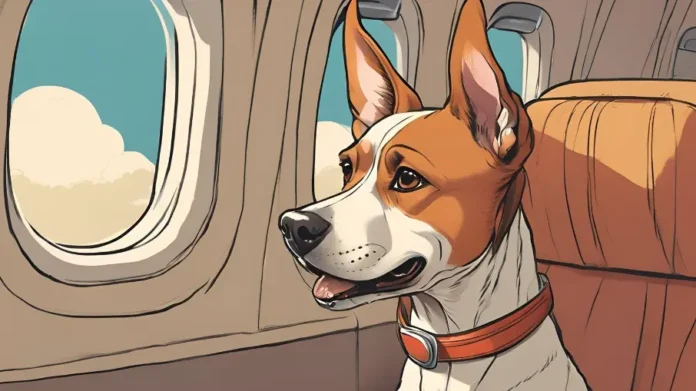

To prevent your dog ears popping on plane, offer chew toys, use calming treats, and keep them hydrated. Cabin pressure changes can cause discomfort, so helping them yawn or chew during takeoff and landing eases the pressure in their ears.
DoggyZine.com
Flying with your furry friend? One common concern is dog ears popping on plane due to cabin pressure changes. This can cause discomfort or even pain for your pet. Thankfully, with the right preparation—like using chew toys, hydration, and gentle ear massage—you can help your dog travel stress-free.
Air travel can be an exciting adventure for pet owners and their furry companions. However, the experience of flying can cause discomfort for dogs, particularly when it comes to ears popping on a plane. This phenomenon, similar to what humans experience, can lead to vertigo and distress in canines. Understanding how to prevent and manage this issue is crucial for ensuring a comfortable journey for our four-legged friends.
This article delves into effective strategies to help dogs cope with airplane ear pressure changes. It explores the impact of air travel on dogs’ ears and provides insights on essential items for in-flight comfort, such as ear protectors for dogs. Additionally, it offers guidance on training dogs for a smooth flying experience and discusses post-landing care to help them readjust. By implementing these tips, pet owners can make air travel a more pleasant experience for their canine companions.
Table of Contents

Understanding the Impact of Air Travel on Dogs’ Ears
Air travel can have a significant impact on dogs’ ears, similar to the effects experienced by humans. The changes in air pressure during takeoff and landing can cause discomfort and potential issues for canines. Dogs with certain ear structures, such as those with long and hanging ear flaps, are at a higher risk of experiencing ear-related problems during flights. This increased susceptibility is due to the anatomy of their ears, which can trap dirt and bacteria more easily. Additionally, the enclosed cabin environment and prolonged exposure to engine noise can further affect a dog’s sensitive hearing. Understanding these factors is crucial for pet owners to ensure their furry companions’ comfort and well-being during air travel.
Essential Items for Your Dog’s In-Flight Comfort

To ensure a comfortable journey for dogs during air travel, pet owners should pack several essential items. A suitable pet carrier that meets Federal Aviation Administration (FAA) requirements is crucial. These carriers provide a cozy space for dogs and often include features like shearling bedding and storage pockets for treats. For anxious dogs, a calming jacket or natural supplements can help reduce stress. Portable water bottles with attached bowls are convenient for keeping dogs hydrated during the trip. Packing a day’s worth of food, treats, and a favorite toy or bone can keep dogs entertained and satisfied throughout the flight. Additionally, bringing a small blanket and potty pads can enhance comfort and address any bathroom emergencies.
Training Your Dog for a Smooth Flying Experience
Preparing a dog for air travel involves gradual acclimatization and positive reinforcement. Pet owners should introduce their dogs to the carrier early, placing treats and toys inside to create positive associations. Short trips in the carrier help dogs get used to confined spaces and travel-related sounds. For cargo travel, playing recordings of engine noises can desensitize dogs to the sounds they might encounter. Practicing commands like “park,” “scoot,” and “under” is essential for in-flight behavior. Tiring out the dog before boarding and bringing long-lasting treats can ensure good behavior during the flight. It’s also advisable to refrain from feeding or watering the dog for about five hours before takeoff to minimize accidents.
Post-Landing Care: Helping Your Dog Readjust

After landing, pet owners should retrieve their dogs from cargo promptly and check for signs of stress or injury. Offering water and a toilet break is essential, but moderation is key to prevent vomiting. Dogs need time to decompress and adjust to their new environment. The 3-3-3 Rule serves as a general guideline for this process. In the first three days, dogs may feel overwhelmed and nervous. By three weeks, they start settling into routines. At three months, they typically feel comfortable in their new home. Maintaining a consistent schedule for feeding, walks, and sleep helps dogs readjust more smoothly. Providing a quiet “Zen Zone” allows them to retreat when needed.
Conclusion
Air travel with dogs requires careful planning and attention to their comfort and well-being. By understanding the effects of air pressure on canine ears, packing essential items, and preparing dogs through training, pet owners can significantly improve their furry friends’ flying experience. These steps, combined with proper post-landing care, help to minimize stress and ensure a smoother journey for both dogs and their human companions.
The tips and strategies outlined in this article aim to make air travel more manageable for dogs. From using ear protectors to following the 3-3-3 Rule for adjustment, these approaches address various aspects of canine air travel. By putting these ideas into action, pet owners can help their dogs have a better time on flights, making air travel a more positive experience for everyone involved.

FAQs
Why do dogs’ ears pop on planes?
Cabin pressure changes during takeoff and landing can cause ear popping in dogs, similar to humans. Their inner ear struggles to adjust, causing discomfort.
How can I tell if my dog is experiencing ear pain on a plane?
Signs include whining, scratching at ears, restlessness, or shaking the head. These may indicate pressure discomfort in the dog’s ears.
What helps prevent dog ear pain during flights?
Chewing treats or toys, staying hydrated, and offering calming aids can ease pressure and prevent dog ear pain while flying.
Are there natural remedies to help dogs with ear pressure on airplanes?
Yes. Natural solutions include herbal calming drops, chamomile treats, and gentle ear massages before and after takeoff and landing.
Should I talk to a vet before flying with my dog?
Absolutely. A vet can offer tailored advice, check for ear infections, and recommend safe methods to reduce ear popping on flights.
“American Staffordshire Terrier graphic tee for proud dog lovers.”





