


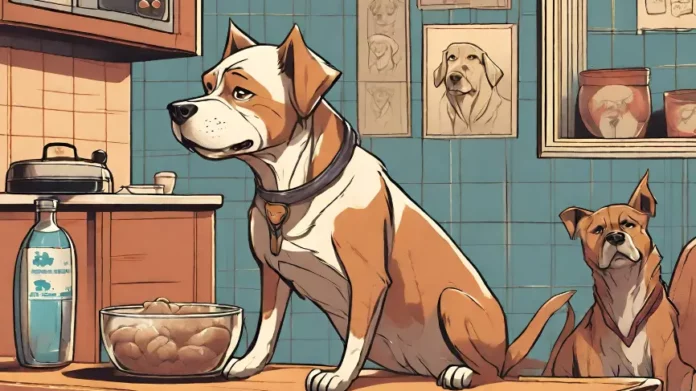
Signs of aging in dogs include graying fur, slower movement, vision loss, and changes in appetite or behavior. Regular vet checkups, gentle exercise, and a balanced diet help maintain comfort and quality of life for senior dogs.
DoggyZine.com
As dogs grow older, they show various signs of aging, such as reduced energy, cloudy eyes, or increased sleep. Recognizing the signs of aging in dogs early helps pet owners provide proper care, improve quality of life, and address age-related health issues before they worsen. This guide covers everything you need to know.
As our beloved canine companions age, it’s crucial for pet parents to be aware of the changes that may occur in their behavior and overall health. Just like humans, dogs are susceptible to certain age-related diseases and conditions. By recognizing the signs of aging and providing appropriate care, we can ensure that our senior dogs continue to live happy and fulfilling lives. In this comprehensive guide, we will explore the typical behavioral changes that occur in senior dogs, when to be concerned, and how to support their well-being.
Table of Contents

When is a Dog Considered a Senior?
The adage that one dog year is equivalent to seven human years holds some truth, as dogs do age faster than humans. On average, dogs are considered seniors by veterinarians at around seven years of age. However, it’s important to note that the rate at which dogs age can vary depending on their breed and size.
Smaller dogs tend to have longer lifespans and may not exhibit signs of aging until they are 10-12 years old. Conversely, larger breeds may start experiencing senior health issues, such as arthritis, as early as 5-7 years old. While age guidelines provide a general understanding of what to expect, it’s crucial to monitor your dog for any changes in behavior or symptoms of illness, regardless of their age.
Typical Behavioral Changes in Senior Dogs
As dogs age, certain diseases and conditions become more common. Osteoarthritis, a degenerative joint disease, is prevalent among senior dogs and can cause joint pain and stiffness. Canine cognitive dysfunction (CCD), often referred to as cognitive dysfunction syndrome (CDS), is another age-related issue that is similar to dementia in humans.
In addition to arthritis and cognitive decline, senior dogs may experience hearing or vision loss, increased anxiety, changes in energy levels and mobility, and metabolic changes. It’s common for aging dogs to become less active and exhibit a slower pace. Skin changes, such as hair loss or graying, and the development of lumps and bumps are also typical.
While some of these changes are natural parts of the aging process, it’s important to remember that old age is not a disease. Many conditions can be managed, and your senior dog’s quality of life can be improved through proper care and treatment.
Behavioral Changes That Require Attention

It can be challenging to distinguish between natural aging changes and symptoms of serious diseases, as they can often present with similar signs. If you notice any new symptoms or behavioral changes in your senior dog, it’s crucial to consult with your veterinarian to determine the underlying cause.
Here are some common behavioral changes that pet parents may observe in their senior dogs:
1. Confusion or Disorientation
If you notice your dog staring at walls, forgetting the location of their food and water bowls, or wandering aimlessly, they may be experiencing cognitive dysfunction. However, other factors, such as arthritis, vision or hearing loss, or underlying medical conditions, could also contribute to confusion or disorientation.
2. Failure to Respond to Name or Commands
Hearing loss is a common occurrence in senior dogs. If your dog does not respond to their name or commands, it may be due to hearing loss rather than intentional disobedience. Alternatively, it could indicate a decline in mental function.
3. Startling Easily
Hearing loss can also cause dogs to startle easily, as they may be unaware of approaching sounds. Painful conditions like arthritis can also make dogs more sensitive and defensive.
4. Clumsiness
Vision loss and joint problems, such as arthritis, often result in clumsiness or difficulty navigating their surroundings.
5. Changes in Sleep Patterns
If your senior dog is awake and active throughout the night, possibly whining or pacing, while sleeping excessively during the day, cognitive dysfunction may be the cause.
6. Aggression, Fear, Self-Isolation, or Personality Changes
Cognitive decline can lead to changes in behavior, such as increased aggression, fearfulness, self-isolation, or alterations in overall personality. Painful conditions like arthritis can also contribute to a dog’s insecurity or irritability. External factors, such as changes in the home environment or the introduction of a new puppy, should also be considered as potential stressors.
7. Anxiety

Increased anxiety is common in senior dogs and can be a result of mental or physical changes that leave them feeling less like their usual selves. Some older dogs may develop separation anxiety during the night when their owners are asleep and unresponsive.
8. Vocalization
Senior dogs may exhibit increased vocalization, including whining, crying, or excessive barking. This behavior could be a sign of cognitive dysfunction, hearing loss, pain, or anxiety.
9. Eye Changes
While a certain degree of cloudiness in the eyes is a normal age-related change called nuclear sclerosis, it’s crucial to rule out other eye conditions, such as cataracts, that may require medical attention.
10. House Soiling
Senior dogs may struggle with house soiling, including urinary and fecal incontinence. This can be due to difficulty finding the door, cognitive dysfunction affecting their potty training, physical limitations like arthritis, age-related incontinence, or underlying health issues like urinary tract infections or kidney disease.
11. Weight or Muscle Changes
As dogs age, their metabolism slows down, leading to weight gain even without dietary changes. However, some senior dogs may experience muscle loss, weakness, and difficulty maintaining weight. Certain diseases, such as cancer or diabetes, can cause rapid weight or muscle loss.
12. Slowing Down, Limping, or Mobility Issues
Arthritis is a common cause of mobility issues in senior dogs. You may notice that your dog is less inclined to jump or run like they used to. Certain breeds are more susceptible to bone cancer, hormonal changes, or heart disease, which can also contribute to decreased mobility.
13. Bad Breath (Halitosis)
Dental disease is often the cause of bad breath in senior dogs. However, it’s essential to rule out other underlying problems, such as kidney disease, that may manifest as halitosis.
When to Seek Veterinary Care
It’s crucial to consult with a veterinarian for any changes in behavior to rule out potential medical issues, rather than assuming they are solely due to old age. Even when dealing with typical aging issues like arthritis or cognitive decline, there are steps that can be taken to improve your dog’s well-being.
In addition to the aforementioned behavioral changes, the following symptoms should prompt a visit to the veterinarian:
- Vomiting or diarrhea
- Coughing or sneezing
- Appetite changes (increase or decrease)
- Weight loss or gain
- Increased urination and drinking
- Severe lethargy, collapse, trouble breathing, or other serious symptoms requiring immediate attention
While every dog is unique and may exhibit different symptoms, it’s essential to trust your instincts. If you’re unsure whether your dog requires veterinary care, it’s always best to reach out to your veterinarian for guidance.
Supporting Your Senior Dog at Home

While we can’t halt the aging process, there are numerous ways to enhance the well-being of our senior dogs. Early intervention can slow down the progression of certain diseases, and many conditions can be managed, allowing senior pets to enjoy an excellent quality of life. Pain medications, when necessary and prescribed by a veterinarian, can provide relief and enable senior dogs to engage in activities they love.
Here are some tips for supporting your senior dog’s health and happiness:
1. Regular Veterinary Care
To ensure the best possible care for your senior dog, schedule regular check-ups with your veterinarian. Since dogs age faster than people, biannual check-ups may be recommended. These check-ups can help detect diseases in their early stages, allowing for more successful treatment options. Additionally, consult your veterinarian whenever your dog develops new symptoms to determine if there is an underlying medical cause.
2. Promote Mobility
Make adjustments to your home environment to facilitate your senior dog’s movement. Non-slip mats can be placed on slippery surfaces like tile or wood to prevent falls. Provide comfortable bedding in warm areas of your home and consider raised feeding and drinking stations to ease strain on their joints. Regular exercise, tailored to your dog’s specific needs and limitations, can also help maintain mobility.
3. Manage Pain
If your senior dog experiences pain due to conditions like arthritis, consult your veterinarian about appropriate pain management strategies. This may include medications, physical therapy, acupuncture, or other holistic approaches. It’s important to work closely with your veterinarian to find the most effective and safe pain management plan for your dog.
4. Mental Stimulation
Engage your senior dog’s mind with puzzles, interactive toys, and training sessions. Mental stimulation is crucial for their cognitive health. Incorporate activities that challenge their problem-solving skills and provide opportunities for reward and enrichment.
5. Balanced Nutrition
Ensure your senior dog receives a balanced and appropriate diet for their age and health condition. Consult your veterinarian to determine the best nutritional plan, taking into consideration any specific dietary requirements or restrictions. A well-balanced diet can support their overall health, maintain a healthy weight, and address any age-related nutritional needs.
6. Dental Care
Maintaining good oral hygiene is essential for senior dogs. Regular brushing, dental chews, and professional dental cleanings can help prevent dental disease and discomfort. Dental issues can contribute to bad breath and potentially lead to more severe health problems if left untreated.
7. Comfort and Safety
Create a comfortable and safe environment for your senior dog. Provide cozy bedding, ensure the temperature is appropriate, and minimize any hazards that could cause injury. Consider ramps or stairs to help them access elevated surfaces, and install secure gates to restrict access to areas that may pose risks.
8. Loving Companionship
Offer your senior dog plenty of love, attention, and companionship. Spending quality time together strengthens the bond between you and provides emotional support for your furry friend. Engage in gentle activities that your dog enjoys, such as leisurely walks or relaxing cuddle sessions.
9. Adapt to Changing Needs
As your senior dog’s needs evolve, be flexible and adapt your routines and care accordingly. Monitor their behavior closely and make adjustments to their environment or daily routine as necessary. Regularly reassess their condition with your veterinarian to ensure their well-being is consistently addressed.
Remember, each senior dog is unique, and their care should be tailored to their specific needs. By providing the right care, attention, and love, you can help your senior dog age gracefully and enjoy their golden years to the fullest.
Conclusion
Understanding the signs of aging in dogs is crucial for providing them with the care and support they need as they enter their senior years. By recognizing behavioral changes, seeking veterinary care, and implementing strategies to enhance their well-being, we can ensure that our beloved companions enjoy a comfortable and fulfilling life. With proper care and attention, our senior dogs can continue to bring joy and love into our lives for many years to come.
Remember, the information provided in this guide is general in nature and not a substitute for professional veterinary advice. If you have any concerns about your dog’s health or behavior, consult with your veterinarian for personalized guidance and care.

FAQs
What are the early signs of aging in dogs?
Early signs of aging in dogs include graying muzzle, slower movement, changes in appetite, and increased sleep. Recognizing these dog aging symptoms helps in timely senior dog care.
How can I support my senior dog’s health at home?
Support elderly dog health by offering a balanced diet, regular vet checkups, joint supplements, and comfortable sleeping areas. Senior dog care starts with small, consistent routines.
When do dogs typically start showing signs of aging?
Most dogs begin showing signs of aging around 7 years old, though smaller breeds may age more slowly. Monitor for signs of aging in dogs such as stiffness or confusion.
What health problems are common in aging dogs?
Aging dogs may face arthritis, dental issues, kidney disease, or cognitive decline. Knowing these conditions helps you address senior dog care with proactive attention.
Can diet improve an aging dog’s quality of life?
Yes, a senior-specific diet rich in omega-3s, antioxidants, and fiber supports elderly dog health and energy. Consult your vet for the best nutritional plan for aging dogs.
“Chow Chow Graphic Tee for proud dog lovers.”





