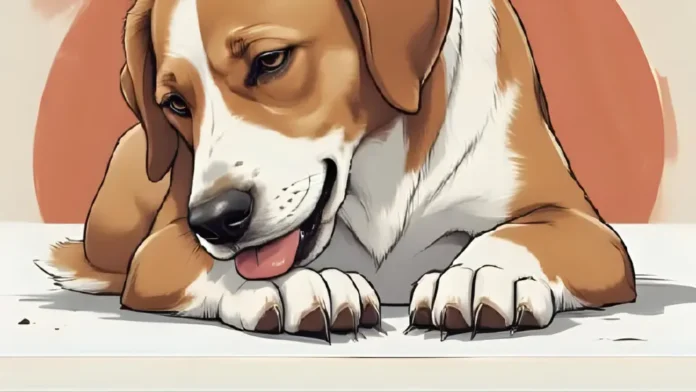
Dog paw health signs reveal important clues about your pet’s overall well-being. Cracks, redness, swelling, or licking can signal infections or allergies. Regular cleaning, moisturizing, and inspection help prevent pain and long-term paw damage.
DoggyZine.com
Your dog’s paws aren’t just for walking—they’re powerful health indicators. Subtle dog paw health signs, like dryness, redness, or color changes, can reveal much about your dog’s overall well-being. Recognizing these signals early helps protect your pet from discomfort, infection, and long-term paw problems.
Table of Contents

Cracked or Dry Paw Pads – Signs of Dehydration or Nutritional Deficiency
Your dog’s paw pads should feel slightly rough but flexible, not dry or brittle. Cracked, flaky, or overly rough pads may indicate dehydration, poor nutrition, or environmental stress. In some cases, excessive dryness can result from vitamin deficiencies, especially lack of zinc or omega-3 fatty acids.
Dogs that spend a lot of time on hot pavement, icy sidewalks, or salted roads are at higher risk of developing cracked pads. These surfaces strip away the natural oils that keep the paws hydrated. If your dog’s pads are constantly rough or splitting, try applying a dog-safe paw balm and ensure your dog’s diet includes healthy fats and proper hydration.
Pro tip: Avoid using human moisturizers—they can soften pads too much and cause injury. Stick with paw-specific balms or coconut oil designed for pets.
Redness and Swelling – Possible Allergies or Infections
If your dog constantly licks or bites their paws, check for redness, swelling, or irritation between the toes. These are common signs of allergic dermatitis, which can be triggered by pollen, grass, dust mites, or even certain foods.
In other cases, redness may be due to bacterial or yeast infections, especially if there’s a noticeable odor. Yeast infections often make paws appear reddish-brown and give off a sweet, musty smell. Bacterial infections might produce pus or scabs.
To help your vet diagnose the issue, note when the symptoms occur. For example, seasonal redness may point to environmental allergies, while constant irritation may be food-related. Regular paw washing after outdoor walks can minimize allergic triggers.
Discolored Nails or Pads – Signs of Circulation or Liver Problems
Healthy paw pads are usually black or pink, depending on your dog’s breed and pigmentation. Sudden changes in color, like turning pale, bluish, or yellowish, could indicate circulatory or liver problems. Similarly, nail discoloration—such as nails turning brown or dark red—can signal fungal infections or autoimmune issues.
A bluish hue (cyanosis) often means the dog’s blood isn’t carrying enough oxygen, which may be linked to heart or lung conditions. Yellowing, on the other hand, can hint at liver issues or jaundice. These symptoms shouldn’t be ignored—consult your vet as soon as possible for diagnostic testing.
Quick check: Compare each paw. If discoloration appears on one pad only, it’s likely a localized injury or infection. If all pads change color, it may be a systemic health concern.
Limping or Sensitivity – Hidden Injuries or Joint Pain
Limping, paw sensitivity, or reluctance to walk on certain surfaces can indicate injuries such as cuts, splinters, or burned pads. However, chronic limping may suggest arthritis, hip dysplasia, or nerve pain—especially in older dogs.
If your dog suddenly avoids putting weight on one paw, inspect for lodged debris like glass, thorns, or pebbles. Also, feel for heat, which may signal inflammation or infection.
For dogs with arthritis, cold weather can worsen discomfort. Joint supplements containing glucosamine and chondroitin can support mobility, while regular low-impact exercise like swimming helps maintain muscle strength.
Vet tip: Never ignore sudden or prolonged limping—it can reveal underlying bone or ligament problems that worsen without treatment.
Bad Odor or Discharge – Infection or Foreign Object
A persistent foul smell coming from your dog’s paws is often a sign of infection, usually bacterial or fungal. Yeast thrives in moist environments—so if your dog’s paws are constantly damp or sweaty, the risk increases.
Discharge, pus, or sores may accompany the odor, especially if there’s an open wound or a foreign object trapped between the toes. Long-haired breeds like Golden Retrievers or Shih Tzus are particularly prone to debris buildup in paw fur.
Keep the area clean and dry, and trim excess hair between paw pads. For prevention, wash paws with mild antibacterial wipes after outdoor play, especially during wet or humid seasons.
How to Keep Your Dog’s Paws Healthy
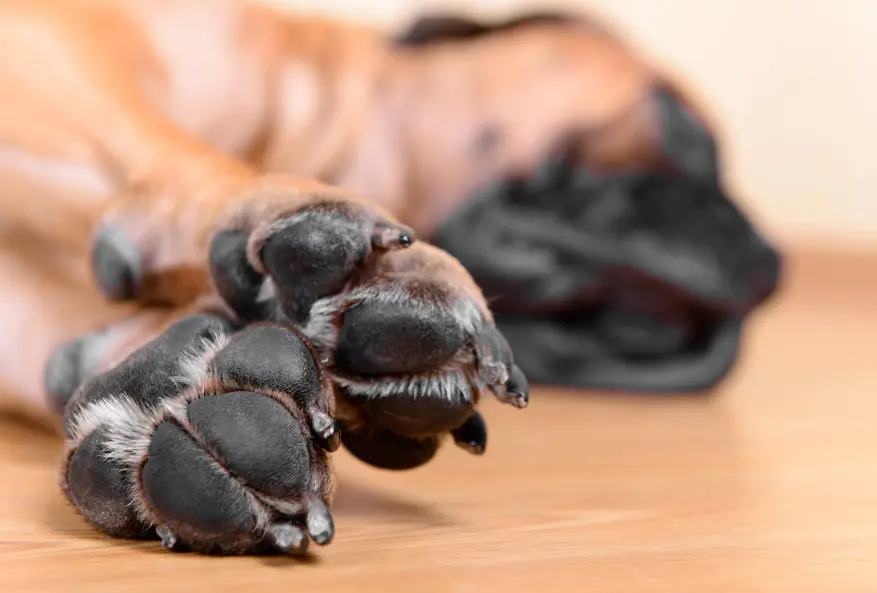
Healthy paws start with regular inspection and maintenance. Here are a few best practices every dog owner should follow:
- Inspect paws weekly: Look for cracks, redness, or lodged debris.
- Moisturize properly: Use a dog-safe balm, especially in winter or dry climates.
- Trim nails regularly: Overgrown nails cause imbalance and discomfort.
- Protect from temperature extremes: Use dog boots on hot or icy surfaces.
- Maintain a balanced diet: Nutrients like zinc, vitamin E, and omega-3s support skin and paw health.
- Clean after walks: Rinse off dirt, salt, or chemicals that can irritate paws.
These small habits can prevent major health problems and help your dog stay active and pain-free.
When to See a Veterinarian
If your dog’s paw issues don’t improve within a few days of home care—or if you notice bleeding, constant licking, or spreading redness—it’s time to visit your vet. Chronic paw problems could signal underlying issues like autoimmune diseases, metabolic disorders, or cancerous growths.
Your vet may recommend skin scrapings, blood tests, or allergy testing to pinpoint the cause. Early diagnosis ensures faster recovery and less discomfort for your pet.
Conclusion
Your dog’s paws are more than just cute and functional—they’re essential indicators of their overall well-being. Paying attention to dryness, color changes, odor, or limping can help you catch health problems before they become serious. Regular paw care, good nutrition, and timely veterinary visits are the keys to keeping your furry friend happy, active, and healthy from nose to tail.
FAQs
Why does my dog keep licking its paws?
Frequent licking may signal allergies, infection, or irritation from chemicals or grass. If it’s constant, see your vet.
Can dry dog paws heal naturally?
Mild dryness can heal with hydration and dog-safe balms, but deep cracks may need medical treatment to prevent infection.
What does it mean if my dog’s paw pads turn pale?
Pale pads may indicate anemia or circulation problems. Seek veterinary advice promptly.
Are cracked paws painful for dogs?
Yes. Cracks can cause discomfort and increase infection risk, especially on rough surfaces.
How often should I check my dog’s paws?
Once a week is ideal. Regular inspection helps detect small issues before they escalate.