


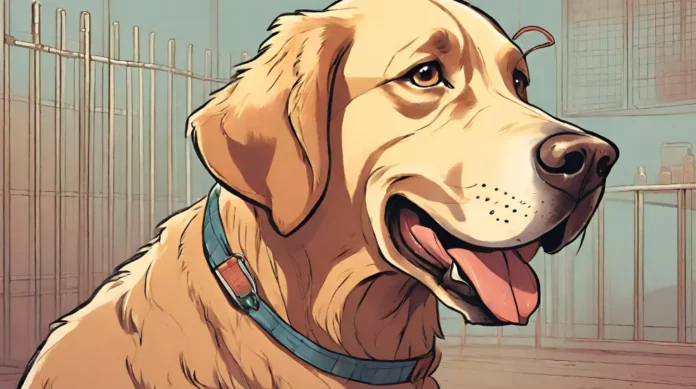

Dog hypothyroidism is a condition where the thyroid gland fails to produce enough hormones, leading to weight gain, fatigue, and skin issues. Treatment includes daily hormone replacement medication and regular vet monitoring to manage the condition effectively.
DoggyZine.com
Dog hypothyroidism occurs when a dog’s thyroid gland fails to produce enough hormones, leading to symptoms like lethargy, weight gain, cold intolerance, and dull coat. Early detection and consistent treatment can reverse these signs and help your dog regain vitality and well-being.
Dog hypothyroidism is a common condition that affects the thyroid gland, leading to a decrease in the production of essential thyroid hormones. This can result in various symptoms such as unexplained weight gain, skin and coat issues, behavioral changes, and reduced energy levels. Understanding the causes, recognizing the symptoms, and seeking proper treatment are crucial for managing this condition and ensuring your dog’s overall well-being.
In this comprehensive guide, we will delve into the key aspects of dog hypothyroidism, including its definition, causes, symptoms, diagnosis, treatment options, and dietary considerations. By the end, you will have a solid understanding of this condition and how to support your dog’s health effectively.
Table of Contents

What is Dog Hypothyroidism?
The thyroid gland plays a vital role in regulating metabolism in dogs. When the thyroid gland fails to produce an adequate amount of thyroid hormones, it leads to a condition known as hypothyroidism. This hormonal imbalance can have a significant impact on your dog’s overall health and well-being.
Causes of Dog Hypothyroidism
The causes of dog hypothyroidism can be attributed to two primary conditions: lymphocytic thyroiditis and idiopathic atrophy of the thyroid gland. Lymphocytic thyroiditis occurs when the immune system mistakenly attacks the thyroid gland, while idiopathic thyroid gland atrophy involves the replacement of thyroid tissue with fat. Although the exact reasons for these conditions remain unclear, they are thought to have a genetic component.
Recognizing the Symptoms
Hypothyroidism in dogs can manifest through a variety of symptoms, which can vary from dog to dog. Some common signs to watch out for include unexplained weight gain, obesity, lethargy, mental dullness, cold intolerance, thinning coat, dull fur, and dark pigmentation of the skin. Additionally, dogs with hypothyroidism may experience recurring ear and skin infections, high cholesterol, slow heart rate, lameness, coordination issues, thickening of the skin, and reproductive problems.
Diagnosing Dog Hypothyroidism
To properly diagnose hypothyroidism in dogs, veterinarians typically perform a series of blood tests. These tests measure the levels of thyroid hormones T4 and T3 in your dog’s body. It is important to note that other conditions can mimic the symptoms of hypothyroidism, necessitating extensive diagnostic testing to ensure an accurate diagnosis.
Treating Dog Hypothyroidism
While hypothyroidism in dogs is not curable, it can be effectively managed with the use of synthetic thyroid hormone replacement therapy. The most commonly prescribed medication is levothyroxine (L-T4), which must be administered orally on a daily basis. Regular monitoring of hormone levels through blood tests is essential to ensure that the dosage is adjusted appropriately. With proper treatment, dogs with hypothyroidism can lead healthy and fulfilling lives.
The Role of Diet in Managing Hypothyroidism

A well-balanced diet is crucial for supporting your dog’s overall health, including those with hypothyroidism. While there is no specific diet that is universally recommended for dogs with hypothyroidism, it is important to focus on providing a nutritionally balanced meal that meets your dog’s specific needs. Consult with your veterinarian or a pet nutritionist to determine the best diet for your dog based on their individual requirements.
Recommended Diet for Dogs with Hypothyroidism
When considering the diet for dogs with hypothyroidism, it is important to provide essential nutrients such as balanced amino acids, iodine, vitamins, minerals, probiotics, antioxidants, proteins, fats, and carbohydrates. Your veterinarian will be able to recommend the best diet for your dog, taking into account their specific needs and health condition. In some cases, a homemade diet may be recommended, while in others, a prescription therapeutic dog food with lower fat content may be more suitable.
Foods to Include in the Diet
Certain fresh vegetables can support thyroid function and may be beneficial to include in your dog’s diet in moderation. Examples of these vegetables include asparagus, green beans, beets, broccoli, Brussels sprouts, carrots, celery, lettuce, mushrooms, and spinach. However, it is always important to consult with your veterinarian before introducing any new foods into your dog’s diet to ensure they are safe and appropriate.
Foods to Avoid
While there are no specific foods that dogs with hypothyroidism should avoid, it is generally recommended to avoid commercial dry foods or a raw food diet. Seeking the advice of a trained veterinary professional is essential in determining the most suitable diet for your dog’s specific needs.
Conclusion
Understanding the signs, causes, diagnosis, and treatment options for dog hypothyroidism is crucial for providing the best care for your furry friend. By recognizing the symptoms early on, seeking veterinary attention, and implementing a balanced diet and appropriate medication, you can effectively manage this condition and improve your dog’s quality of life.
Remember to consult with your veterinarian for personalized advice and guidance tailored to your dog’s unique needs. With proper care and attention, you can ensure that your dog leads a healthy and happy life despite having hypothyroidism.

FAQs
What are the common symptoms of dog hypothyroidism?
Common symptoms include fatigue, weight gain without increased appetite, dull or thinning coat, skin infections, and cold sensitivity. These canine hypothyroidism symptoms often emerge gradually.
How is dog hypothyroidism diagnosed?
Diagnosing dog hypothyroidism involves blood tests measuring thyroid hormone (T4) and thyroid stimulating hormone (TSH) levels. Your vet may also check cholesterol and other indicators.
What treatments are available for dog hypothyroidism?
Treatment includes daily administration of synthetic thyroid hormone (levothyroxine). Regular monitoring ensures correct dosing and helps treat dog thyroid disorder effectively.
Can a dog fully recover from hypothyroidism?
Yes, with proper treatment and lifelong medication, most dogs make a full recovery—regaining normal weight, energy, coat quality, and overall health.
Are certain breeds more prone to dog hypothyroidism?
Yes. Breeds like Golden Retrievers, Doberman Pinschers, Irish Setters, and Cocker Spaniels are more predisposed to developing dog hypothyroidism.
“Welshi Corgi Graphic Tee for proud dog lovers.”





