


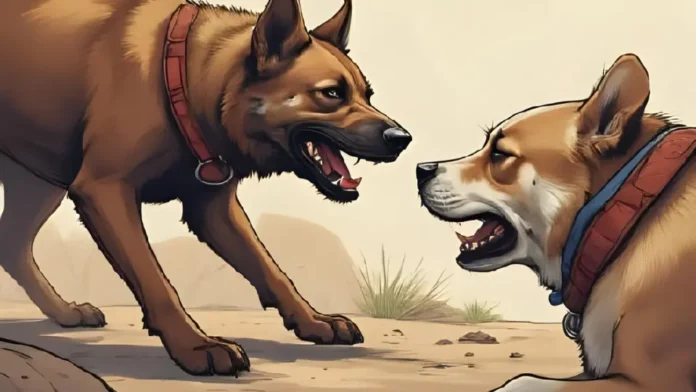
A dog only gets aggressive around certain dogs due to fear, past trauma, dominance issues, or mismatched energy levels. Selective aggression is common and manageable. With proper socialization, consistent training, and positive reinforcement, owners can reduce aggression and create safer, calmer interactions with other dogs.
DoggyZine.com
Have you noticed that your dog only gets aggressive around certain dogs while remaining calm with others? This selective aggression is normal in many dogs and can stem from fear, past negative experiences, or personality clashes. Understanding the cause is the first step to helping your dog interact safely and confidently.
Every dog owner wants their pet to be friendly, calm, and confident around others. But sometimes, a surprising issue arises: your dog is calm with most dogs but aggressive toward a few. This puzzling behavior is called selective aggression. Unlike general aggression, which targets most dogs, selective aggression is directed only at specific individuals or types of dogs.
For owners, this can be confusing and frustrating. You may wonder: Why does my dog bark, growl, or lunge only at certain dogs? Is something wrong with my dog? The good news is that selective aggression is common — and with understanding and proper training, it can be managed.
Table of Contents

What Is Selective Aggression in Dogs?
Selective aggression happens when a dog shows aggressive behaviors — such as barking, growling, lunging, snapping, or even biting — only toward certain dogs, but not all.
This behavior is rooted in a dog’s unique personality, past experiences, and natural instincts. Just as people don’t get along with everyone, dogs also have their likes and dislikes. Some dogs may simply clash in energy, temperament, or body language.
The Main Causes of Selective Aggression

1. Past Negative Experiences
Dogs have strong memories. If your dog was once attacked, bullied, or intimidated by another dog, they may associate similar dogs with danger. For example, if a large black dog once scared your dog, they may growl at other large black dogs, even if those dogs are friendly.
2. Fear and Anxiety
A fearful dog often uses aggression as a defense mechanism. Barking and lunging are ways of saying: “I’m scared — stay away from me!” This fear-based aggression usually occurs when your dog feels cornered or insecure.
3. Personality and Energy Clashes
Just as some humans don’t vibe well together, some dogs clash in personality. High-energy or overly dominant dogs can trigger aggression in more reserved or anxious dogs.
4. Same-Sex Aggression
It’s common for male-to-male or female-to-female aggression to occur, especially in dogs that are not neutered or spayed. Hormones can make dogs more territorial and competitive.
5. Territorial or Resource Guarding
Some dogs view certain dogs as a threat to their toys, food, space, or even their owner’s attention. They may act aggressively only in those situations.
6. Misinterpreted Body Language
Dogs communicate heavily through posture, eye contact, and movement. If one dog stares too long, raises its hackles, or moves stiffly, another may interpret that as a threat and react aggressively.
7. Medical or Pain-Related Issues
Sometimes aggression is linked to pain, illness, or discomfort. If a dog is in pain, they may lash out more easily, especially at excitable dogs that come too close.
Signs Your Dog’s Aggression Is Selective
- Barking or growling only at certain dogs
- Calm and friendly behavior with most dogs
- Pulling hard on the leash when a specific type of dog appears
- Tense body posture, stiff tail, or intense staring at particular dogs
- Ignoring friendly play invitations but reacting aggressively to others
These patterns indicate that your dog isn’t aggressive toward all dogs — only some.
How to Manage Selective Aggression

1. Identify Triggers
Keep a behavior log of when your dog becomes aggressive. Is it toward big dogs, small dogs, certain colors, or certain genders? Identifying patterns helps you address the root cause.
2. Practice Controlled Exposure
Use desensitization and counterconditioning. Start with safe, distant exposure to the trigger dog. When your dog remains calm, reward them with treats or praise. Over time, reduce the distance gradually.
3. Teach Redirection Commands
Cues like “watch me,” “leave it,” or “come” help redirect your dog’s attention away from the trigger dog before aggression escalates.
4. Reward Calm Behavior
Always reinforce good behavior. If your dog passes by another dog calmly, reward them. This teaches them that calmness brings positive outcomes.
5. Avoid Overwhelming Situations
If your dog reacts badly to a certain type of dog, avoid crowded dog parks or uncontrolled environments until training improves.
6. Seek Professional Training
A certified canine behaviorist or trainer can help customize a training plan. If aggression is severe, professional guidance is essential.
7. Consider Medical Checkups
If the aggression appears suddenly or worsens, have your vet check for pain or health issues that might be influencing behavior.
When to Worry
Selective aggression isn’t always dangerous, but warning signs include:
- Attempts to bite or make contact
- Escalating aggression despite training
- No ability to calm down after exposure
- Stress behaviors like trembling, excessive panting, or pacing
In these cases, professional help is critical.
Preventing Future Aggression
- Socialize your dog early with a variety of dogs
- Use positive reinforcement for all calm interactions
- Keep training consistent and reward-based
- Manage the environment to prevent overwhelming your dog
- Ensure your dog has regular exercise and mental stimulation to reduce stress
Key Takeaway
If your dog only gets aggressive around certain dogs, the cause is usually fear, past trauma, or personality clashes. This selective aggression is common and can be managed with training, patience, and professional support. With time, you can help your dog feel safer, calmer, and more confident in social settings.
FAQs
Why is my dog aggressive toward some dogs but friendly with others?
Dogs show selective aggression due to fear, past negative encounters, or mismatched energy. Identifying triggers and using training helps reduce this behavior.
Can dogs dislike certain breeds?
Yes, some dogs react negatively to specific breeds if they resemble a dog from a past bad experience or display unfamiliar body language.
How do I stop my dog from being aggressive to specific dogs?
Use desensitization, counterconditioning, and redirection. Reward calm behavior and work with a trainer if aggression persists.
Is same-sex aggression common in dogs?
Yes, male-to-male or female-to-female aggression can be common, especially in intact dogs. Neutering or spaying may help.
Should I avoid dog parks if my dog is selectively aggressive?
Yes, until your dog is trained and more predictable, it’s safer to avoid high-risk areas like dog parks to prevent incidents.




