Dog motion sickness happens when movement upsets a dog’s inner ear balance, leading to drooling, nausea, or vomiting. Prevent it by easing anxiety, using gradual exposure, and ensuring proper ventilation during every car ride.
DoggyZine.com
Preventing motion sickness in dogs during car travel is crucial for a stress-free trip—for both you and your furry friend. Whether your dog drools, whines, or vomits while riding, understanding how to prevent motion sickness in dogs can make journeys smoother. From prepping before the trip to using calming aids, this guide shares proven methods to keep your dog safe and nausea-free.
How long does motion sickness last in dogs? Motion sickness in dogs can be a common and distressing problem during car travel. Just like humans, dogs can experience nausea, vomiting, and discomfort when they are in a moving vehicle. This can make car rides stressful for both the dog and the owner. Understanding the causes of motion sickness in dogs and implementing preventive measures can help make car travel a more pleasant experience for your furry friend. In this article, we will explore the causes of motion sickness in dogs and provide practical tips on how to prevent it.
Table of Contents
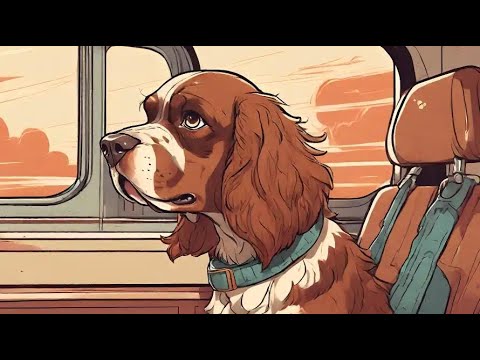
Causes of Motion Sickness in Dogs
Motion sickness in dogs can be caused by various factors, including physical and psychological factors. One of the primary reasons dogs experience motion sickness is due to the underdeveloped structures in their inner ear responsible for balance. This is particularly common in puppies and young dogs whose inner ear has not fully matured. As dogs grow older, they usually outgrow motion sickness, but some dogs may continue to experience it throughout their lives.
Psychological factors can also contribute to motion sickness in dogs. If a dog has had a negative experience associated with car travel, such as getting car sick and vomiting, they may develop anxiety and associate the car with unpleasant feelings. Dogs may also associate car travel with traumatic events, like visits to the vet or separation from their littermates, leading to stress and nausea during car rides.
Recognizing Motion Sickness in Dogs
It’s important to be able to recognize the signs of motion sickness in dogs so that you can take appropriate measures to alleviate their discomfort. Some common signs of motion sickness in dogs include:
- Whining and pacing
- Excessive drooling
- Smacking or licking lips
- Lethargy or inactivity
- Vomiting
- Defecation
If you notice any of these signs in your dog during car travel, it’s likely that they are experiencing motion sickness. Taking steps to prevent motion sickness can help make car rides more enjoyable for your furry companion.
Tips for Preventing Motion Sickness in Dogs

Preventing motion sickness in dogs requires a combination of desensitization, conditioning, and creating a comfortable environment during car travel. Here are some practical tips to help prevent your dog from getting sick in the car:
1. Familiarize Your Dog with Car Travel
One of the most effective ways to prevent motion sickness in dogs is to gradually introduce and familiarize them with car travel. Start by simply placing your dog in the car while it’s stationary and rewarding them with treats and praise. Repeat this process for several days, gradually increasing the duration of time spent in the car. Once your dog is comfortable being in the car, you can start taking short trips around the block and gradually increase the distance. This gradual exposure helps your dog become accustomed to car travel and reduces anxiety.
“Familiarize your dog with car travel by gradually introducing them to short trips and rewarding them for good behavior.”
DoggyZine.com
2. Choose the Right Spot in the Car

Where your dog sits in the car can make a difference in their comfort level during travel. It’s best to place your dog in the middle seat in the back of the car, as this position provides them with a more stable and balanced experience. Additionally, facing forward can help reduce the disorienting visual stimuli that can contribute to motion sickness. Consider using a doggie seat belt or safety harness to secure your dog in place and provide them with a sense of security.
3. Provide Adequate Ventilation
Proper ventilation in the car can help alleviate motion sickness in dogs. Lowering the car windows slightly can equalize the internal and external air pressure, reducing the feeling of nausea. It’s also important to keep the car well-ventilated and at a comfortable temperature. Avoid exposing your dog to hot or stuffy environments, as this can exacerbate their discomfort.
4. Limit Food Intake and Provide Water
Feeding your dog a large meal before car travel can increase the likelihood of motion sickness. To prevent this, it’s recommended to withhold food for at least 2 hours before the trip. However, it’s essential to provide access to fresh water during the journey to keep your dog hydrated. Consider using a water bottle that hangs on the carrier’s door for convenience.
5. Make the Car a Comfortable and Familiar Space
Creating a comfortable and familiar environment in the car can help reduce your dog’s anxiety and prevent motion sickness. Bringing along familiar items, such as their favorite toys, blankets, or even an item with your scent, can provide a sense of security and make the car feel more like home. Designate specific toys or treats for car travel only, which can help your dog associate car rides with positive experiences.
6. Gradually Increase Travel Duration
When desensitizing your dog to car travel, it’s important to start with short trips and gradually increase the duration. Begin by taking your dog on brief rides around the block and gradually extend the travel time. This gradual approach allows your dog to build tolerance and adjust to the motion and stimuli associated with car travel. Remember to reward your dog with praise and treats for their good behavior during each trip.
7. Keep a Calm and Positive Attitude
Dogs are highly attuned to their owners’ emotions and can easily pick up on stress or anxiety. It’s essential to maintain a calm and positive attitude during car travel to help alleviate your dog’s anxiety. Avoid scolding or reprimanding your dog if they exhibit signs of discomfort or anxiety. Instead, offer reassurance and provide positive reinforcement for calm behavior. Your calm demeanor can help your dog feel more relaxed and comfortable during the journey.
8. Consider Medication or Natural Remedies
If your dog continues to experience severe motion sickness despite desensitization and preventive measures, it may be necessary to consult with your veterinarian about medication options. Some medications, such as anti-nausea drugs or anti-anxiety medications, can help alleviate motion sickness symptoms in dogs. Additionally, natural remedies like lavender, ginger, and valerian may have calming effects and help settle your dog’s stomach. Always consult with your veterinarian before administering any medications or herbal remedies to ensure safety and appropriate dosage.
9. Practice Patience and Persistence
Preventing motion sickness in dogs requires patience and persistence. It’s important to remember that each dog is unique and may require different strategies. If your dog experiences setbacks or shows signs of discomfort during car travel, stay calm and patient. Take a step back in the desensitization process if needed and gradually work your way forward again. With time and consistent effort, many dogs can overcome motion sickness and become comfortable travelers.
10. Seek Professional Guidance
If your dog’s motion sickness persists or becomes more severe, it’s advisable to seek professional guidance from a veterinarian or a certified animal behaviorist. They can assess your dog’s specific needs and provide tailored recommendations and strategies to address the issue. Professional guidance can be particularly beneficial for dogs with underlying medical conditions or severe anxiety.
Conclusion
Motion sickness in dogs can be a common and distressing problem during car travel. By understanding the causes of motion sickness and implementing preventive measures, you can help alleviate your dog’s discomfort and make car rides a more enjoyable experience. Gradual desensitization, creating a comfortable environment, and providing adequate ventilation and hydration are key factors in preventing motion sickness. Remember to stay patient, positive, and seek professional guidance if needed. With time and effort, you can help your furry friend overcome motion sickness and enjoy car travel without discomfort.

FAQs
What causes motion sickness in dogs during car travel?
Motion sickness in dogs is usually caused by inner ear imbalance, anxiety, or unfamiliar motion. To prevent motion sickness in dogs, start with short trips and reward calm behavior.
How can I prevent my dog from getting car sick?
To prevent motion sickness in dogs, avoid feeding them right before travel, ensure fresh air circulation, and use natural remedies or medications prescribed by your vet.
Are there natural remedies for dog motion sickness?
Yes, ginger, chamomile, or CBD oil are natural remedies that may help prevent motion sickness in dogs. Always consult your vet before trying any treatment.
Should I train my dog to get used to car rides?
Gradual exposure to short and pleasant car trips helps prevent motion sickness in dogs. Positive reinforcement reduces anxiety and improves tolerance over time.
Can a vet prescribe medication to prevent car sickness in dogs?
Yes, veterinarians can prescribe anti-nausea medications like Cerenia to prevent motion sickness in dogs. Always follow your vet’s dosage instructions for safe travel.
“Shih Tzu Graphic Tee for proud dog lovers.”