


To train your dog effectively, use consistent commands, positive reinforcement, and short daily sessions. Start with basic obedience like sit, stay, and come.
DoggyZine.com
Training your dog doesn’t have to be overwhelming. This dog training guide walks you through proven, step-by-step techniques to teach your furry friend obedience and good manners. Whether you’re starting with a puppy or an older dog, our expert-backed tips will set you up for success.
Training a dog is a rewarding and essential part of being a responsible pet owner. Not only does it ensure the safety and well-being of your furry friend, but it also strengthens the bond between you and your dog. However, the process of training can sometimes be challenging, especially when there are multiple family members involved. In this comprehensive guide, we will explore effective tips and techniques for training dogs, with a specific focus on involving children in the process. By following these strategies, you can create a harmonious and well-trained canine companion that the whole family can enjoy.
Table of Contents
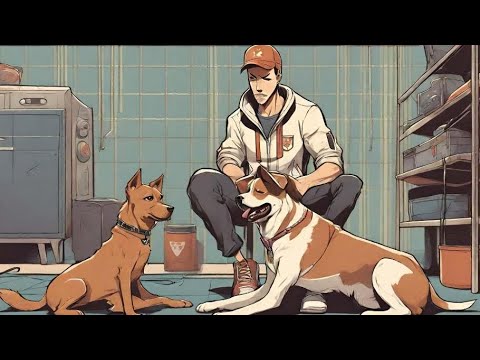
1. The Importance of Involving Children in Dog Training
Why Should Children Be Involved in Dog Training?
Including children in the dog training process offers numerous benefits. Firstly, it strengthens the bond between the child and the dog, fostering a sense of responsibility and empathy. Secondly, it provides an opportunity for children to learn valuable life skills, such as patience, communication, and problem-solving. Moreover, involving children in training promotes consistency, as all family members will be on the same page regarding commands and expectations. Lastly, it builds confidence in both the child and the dog, creating a positive and harmonious environment.
The Role of Consistency in Dog Training
Consistency is paramount in dog training. When multiple family members are involved, it becomes even more crucial to ensure that everyone follows the same rules and commands. Inconsistencies can confuse the dog and hinder the training process. By involving children from the start and teaching them the proper techniques, you can maintain consistency and help your dog understand what is expected of them.
2. Getting Started with Dog Training
Setting the Groundwork: Establishing Rules and Boundaries
Before diving into specific training techniques, it’s important to establish a set of rules and boundaries for your dog. This includes teaching them basic commands such as sit, stay, and come. By setting these foundations, you create a framework for future training sessions and ensure that your dog understands their role in the family dynamic.
Positive Reinforcement: A Key Training Technique
Positive reinforcement is a highly effective and humane training technique that focuses on rewarding desired behaviors rather than punishing unwanted ones. This approach involves using treats, praise, and affection to reinforce good behavior. By rewarding your dog when they follow commands or exhibit desirable behavior, you motivate them to repeat those actions in the future.
The Power of Clicker Training
Clicker training is a form of positive reinforcement that utilizes a handheld device called a clicker. This technique involves associating the sound of the clicker with a reward, allowing you to communicate with your dog more effectively. By using a clicker, you can precisely mark the exact moment your dog performs a desired behavior, making it easier for them to understand what is expected.
3. Involving Children in Basic Obedience Training
Teaching Children Basic Commands
One of the best ways to involve children in dog training is by teaching them basic commands. Start with simple commands such as sit, stay, and come. Explain the importance of consistency and show them how to use hand signals along with verbal cues. Encourage them to practice these commands with the dog regularly, providing positive reinforcement when the dog responds correctly.
Encouraging Responsibility and Empathy
In addition to teaching commands, involving children in training can help foster a sense of responsibility and empathy. Assign age-appropriate tasks, such as feeding, grooming, and walking the dog, to teach children about the importance of caring for another living being. This not only strengthens the bond between the child and the dog but also instills valuable life skills and promotes a sense of empathy and compassion.
4. Addressing Common Training Challenges

Jumping Up: Establishing Boundaries
Jumping up is a common behavior problem in dogs, particularly when greeting people. Teach children and other family members to turn their backs when the dog jumps up, depriving them of attention until they settle down. Reinforce this behavior by rewarding the dog when they keep all four paws on the ground. Consistency is key, and with time and practice, the dog will learn that jumping up is not acceptable.
Dealing with Distractions during Training
Training a dog in real-world situations can be challenging, especially when there are distractions present. Teach children the importance of training in different environments and gradually increasing the level of distractions. Start in a quiet room and gradually move to more stimulating environments, such as a park or a busy street. By gradually exposing the dog to distractions, you can help them maintain focus and respond to commands even in challenging situations.
5. Advanced Training Techniques for Children and Dogs
Interactive Games for Training and Bonding
Training can be fun and engaging for both children and dogs when incorporated into interactive games. Games like hide and seek, fetch, and agility courses not only provide mental and physical stimulation for your dog but also strengthen the bond between the child and the dog. Encourage children to come up with their own creative games that incorporate training commands, allowing them to take an active role in the training process.
Junior Showmanship: A Platform for Learning and Growth
If your child shows a particular interest in training and handling dogs, Junior Showmanship can be an excellent avenue for them to explore. Junior Showmanship is a program that allows children to learn handling skills and present different breeds in conformation. Through this experience, children develop confidence, communication skills, and a deep appreciation for dogs and specific breeds. It can also open doors to potential career paths in the field of dog training and handling.
Conclusion
Training a dog is a journey that requires patience, consistency, and active involvement from the entire family. By including children in the process, you not only teach them valuable life skills but also strengthen the bond between them and their furry companion. Remember to establish rules and boundaries, use positive reinforcement techniques, and address common training challenges. Embrace the power of interactive games and consider exploring Junior Showmanship if your child shows a keen interest in dog training. With dedication and a collaborative approach, you can create a well-trained and harmonious family dog that brings joy and happiness to everyone involved.

FAQs
What is the best age to start training a dog?
The best age to start training a dog is as early as 7–8 weeks old. This dog training guide covers methods suitable for both puppies and adult dogs.
How long should a dog training session last?
Dog training sessions should be short—5 to 15 minutes. Our dog training guide recommends consistent, focused time to help dogs retain commands.
What are the most important commands to teach a dog first?
The first commands to teach include sit, stay, come, and leave it. These basics are covered in our dog training guide and puppy training tips.
Can you train an older dog effectively?
Yes, older dogs can learn new commands. This dog training guide provides tips for how to train a dog of any age using positive reinforcement.
How do I fix bad behavior in dogs?
Fixing bad behavior requires consistency, redirection, and rewards. Our dog training guide includes behavioral correction techniques and obedience training advice.
“Cane Corso Graphic Tee for proud dog lovers.”





