


A dog’s moist nose helps with scent detection and body temperature regulation. It’s typically a sign of good health. However, sudden dryness or discharge may indicate an underlying issue. If your dog’s nose changes suddenly, consult a veterinarian.
DoggyZine.com
Many dog owners ask, “Why is my dog nose moist?” A wet nose is often associated with a healthy pup. Moisture helps dogs smell better and regulate their body heat. But not all moisture—or dryness—is normal. Let’s explore what your dog’s nose is really telling you.
How to keep dogs nose moist? Dogs have a reputation for having wet noses. If you are a dog owner, you may have noticed that your furry friend’s nose is always wet and wondered why. There are many reasons why a dog’s nose is wet, and understanding these reasons can help you better take care of your pet. In this article, we will explore why a dog’s nose is wet, whether it is normal, and what to do if your dog’s nose is dry.
Table of Contents
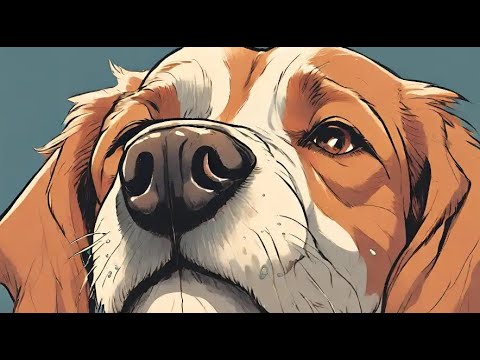
The Importance of a Dog’s Sense of Smell
Dogs have an incredible sense of smell, and their noses are specially designed to help them navigate the world around them. In fact, a dog’s sense of smell is up to 100,000 times more powerful than a human’s, making it their most refined sense. A dog’s nose is so sensitive that it can detect odors that are one million times weaker than what a human can smell.
To keep their sense of smell sharp, dogs need to keep their noses moist. The moisture on a dog’s nose helps to capture and absorb environmental smells, which are then processed by the dog’s brain.
Why is a Dog’s Nose Wet?
There are many theories about why a dog’s nose is wet, but scientists are still not entirely sure. One theory is that the moisture helps to cool the dog down. Dogs only sweat through their paws, so having a moist nose can help them regulate their body temperature.
Another theory is that the moisture helps to humidify the air as it moves into the dog’s nasal cavity. This keeps the respiratory tract from drying out and can help prevent respiratory infections.
Dogs also tend to lick their noses frequently, which helps to keep them moist. This licking behavior is similar to humans licking their lips, which also helps to keep them moist.
Is It Normal for a Dog’s Nose to Be Wet?
When dogs are up and about, they generally have very wet and cool noses. However, when they are sleeping, it is normal for their noses to be warm and dry. Additionally, there is often variation among individual dogs, so while one dog may always have a wet, cold nose, another dog may have one that is usually much drier or warmer.
It is important to learn what is normal for each pup in your household. If you notice a sudden change in your dog’s nose, such as it becoming excessively dry or wet, it may be a sign of an underlying health issue.

What Does It Mean if a Dog’s Nose is Dry?
A dry nose may be perfectly normal, and some dogs tend to have wetter noses than others. For example, very often, sleeping dogs will have warm, dry noses because they aren’t awake to lick them.
Since the amount of nose moisture will vary with humidity and throughout the day, a dog that just woke up from a nap at 2 p.m. with a dry nose may have a moist nose after a game of ball at 7 p.m. So, in most cases, it is not automatically a sign of illness if your dog has a dry nose.
Occasionally, a dry nose can indicate dehydration or fever, but this is usually not the case. If your dog is acting sick AND has a dry nose, this may be cause for concern, and you should call your vet.
When to Take Your Dog to the Vet
If your dog has a dry nose but is feeling well and acting normal, it should be safe to monitor things for a bit. Offer your dog some water, try taking them to a humid environment (sitting in the bathroom with your dog after running the shower is great for this), and monitor them for any other possible symptoms. Chances are good that things will go back to normal pretty quickly without a trip to the veterinary hospital.
However, if your dog seems lethargic or isn’t eating well, or you sense that your dog doesn’t feel well, schedule a vet visit and mention to the veterinarian that you’ve noticed that your dog’s nose is unusually dry. By the same token, if your dog’s nose is crusty, raw, or has bleeding spots, you should also schedule an appointment.
How to Keep Your Dog’s Nose Healthy
Keeping your dog’s nose healthy is important for their overall well-being. Here are some tips to help keep your dog’s nose in good shape:
1. Keep Your Dog Hydrated
Make sure your dog has access to fresh water at all times. Dehydration can cause your dog’s nose to become dry and cracked.
2. Monitor Your Dog’s Environment
If your dog spends a lot of time outdoors, it is important to monitor their environment. Exposure to extreme weather conditions can cause their nose to become dry and irritated.
3. Use a Humidifier
Using a humidifier in your home can help keep the air moist and prevent your dog’s nose from drying out.
4. Clean Your Dog’s Nose
Keeping your dog’s nose clean can help prevent infections and other health issues. You can use a damp cloth to gently wipe your dog’s nose and remove any dirt or debris.
5. Provide a Healthy Diet
A healthy diet can help keep your dog’s nose healthy. Make sure your dog is getting a balanced diet that includes plenty of vitamins and minerals.
Conclusion
In conclusion, a dog’s wet nose is a natural and important part of their anatomy. The moisture on their nose helps to keep their sense of smell sharp and aids in regulating their body temperature. While a dry nose may be cause for concern in some cases, it is usually not a sign of illness. By monitoring your dog’s nose and providing them with a healthy environment and diet, you can help keep their nose in good shape and ensure their overall well-being.

FAQs
Why is my dog’s nose moist all the time?
A moist dog nose is typically normal and helps enhance smell. It can be due to natural secretions, licking, or a cool environment—generally a healthy sign.
What does it mean if my dog’s nose is suddenly dry?
While a dry nose isn’t always bad, a sudden change—especially with cracking or lethargy—can signal dehydration or illness. Monitor closely and consult your vet.
Can a wet nose mean my dog is sick?
A moist nose is usually healthy, but excessive discharge, unusual color, or odor may indicate infection or allergies. Wetness alone isn’t a problem.
Should I worry if my dog’s nose is warm and dry?
Not necessarily. Warm, dry noses can happen during naps or in warm weather. But if it persists alongside other symptoms, it’s best to see a vet.
How do dogs keep their noses moist naturally?
Dogs maintain moist noses through nasal secretions and frequent licking. This moisture improves their scent-tracking ability and keeps their nose functioning properly.
“Boston Terrier Graphic Tee for proud dog lovers.”





