


The puppy who taught me patience showed me that real growth happens through repetition, calm responses, and presence. By slowing down, managing frustration, and embracing daily challenges, I learned that patience is not waiting—it is emotional control practiced consistently in everyday life.
DoggyZine.com
The puppy who taught me patience entered my life at a time when I believed patience was simply about waiting. Through daily challenges, emotional setbacks, and quiet moments of connection, this small puppy reshaped how I handle frustration, growth, and life lessons in ways I never expected.
Before the puppy arrived, I believed I understood patience. I thought it was something you practiced when standing in long lines, dealing with slow emails, or waiting for opportunities to come your way. I spoke about it confidently, as if patience were a personality trait you either had or didn’t.
Then a small puppy entered my life — and quietly dismantled everything I thought I knew.
This is a personal story about how raising a puppy transformed my understanding of patience, emotional growth, and presence. It’s not a training guide or a sentimental fantasy. It’s an honest reflection on how daily responsibility, repetition, and unconditional love can reshape the way we react to the world.
Table of Contents

The First Days: Excitement, Exhaustion, and Frustration
The first night was sleepless.
The second night was worse.
My puppy cried, scratched at the crate, and demanded attention every few hours. During the day, he chewed furniture, ignored commands, and seemed blissfully unaware of my growing frustration. I found myself reacting quickly — raising my voice, feeling overwhelmed, expecting instant improvement.
What I didn’t realize at the time was this:
My puppy wasn’t testing my limits — he was revealing them.
Patience wasn’t missing because of him. It was missing because I had never truly practiced it.
Real-Life Experience: Why Patience Can’t Be Learned Theoretically
True patience is not learned through books or advice. It’s learned through daily, lived experience.
Every morning walk became a lesson. My puppy stopped every few steps — to smell leaves, stare at passing cars, or sit down without explanation. At first, I rushed him. Eventually, I slowed down.
In caring for him, I experienced:
- Repetition without instant results
- Emotional regulation under pressure
- Responsibility without guarantees
These moments taught me that patience is not passive waiting. It’s active emotional control.
The Turning Point: When I Stopped Expecting Perfection
One afternoon, after another failed training session, I felt defeated. My puppy refused to sit. He tilted his head, wagged his tail, and looked genuinely confused.
That was the moment something shifted.
I realized I was expecting him to behave like an adult while forgetting he was learning — just like I was.
When I adjusted my expectations, everything changed:
- Training became calmer
- Communication improved
- Frustration turned into curiosity
Patience grew when judgment disappeared.
Practical Insight: How Puppies Teach Emotional Regulation
Raising a puppy forces you to practice emotional intelligence every single day.
You learn to:
- Pause before reacting
- Respond instead of control
- Stay consistent rather than emotional
These skills are identical to those required in leadership, relationships, and personal development. The puppy doesn’t just mirror behavior — it magnifies emotional patterns.
If you rush, they resist.
If you calm down, they follow.
Patience becomes a learned behavior through consistency, not intention.
The Quiet Lessons: Presence Over Control
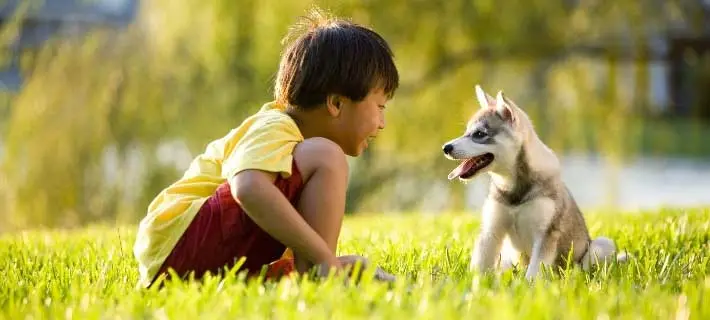
One rainy evening, my puppy refused to walk. No amount of encouragement worked. I finally sat down beside him on the wet pavement.
We stayed there in silence.
That was the moment I understood something deeply important:
Patience is presence without resistance.
Life often pushes us to control outcomes — deadlines, goals, progress. But real patience happens when we allow moments to unfold without force.
My puppy didn’t need instructions. He needed time.
So did I.
Why This Lesson Applies Beyond Pet Ownership
This story resonates because it extends far beyond raising a puppy.
The same patience learned here applies to:
- Parenting
- Career growth
- Healing from burnout
- Personal relationships
In every case, progress is rarely immediate. Growth happens invisibly before it becomes obvious.
The puppy taught me that impatience often comes from fear — fear of failure, fear of wasted effort, fear of losing control.
Patience replaces fear with trust.
The Hard Days: When Patience Felt Impossible
There were days I failed.
Days when I lost my temper. Days when I felt I wasn’t doing enough. Days when training regressed instead of improved.
But patience doesn’t mean perfection.
It means returning to calm — again and again.
And each time I did, my puppy responded with trust.
Honest Reflection: Patience Is Built Through Mistakes

I didn’t become patient overnight. I became patient through mistakes.
The honesty of this journey matters because readers don’t connect to flawless stories — they connect to real ones.
Patience grows when:
- You acknowledge frustration
- You accept slow progress
- You forgive yourself
My puppy never judged my bad days. He simply waited for me to show up better the next time.
That, too, was a lesson.
What My Puppy Ultimately Taught Me
By the time he matured, something unexpected happened.
I realized I was calmer in other areas of my life:
- I listened more
- I reacted less
- I allowed space for growth
Patience had quietly embedded itself into my daily habits.
Not because I tried to learn it — but because I lived it.
Why This Story Matters to Readers Today
In a world built on speed, instant results, and constant stimulation, patience feels rare.
This story resonates because it offers:
- Emotional authenticity
- Relatable struggle
- Meaningful personal growth
It reminds readers that some of life’s most powerful lessons come from ordinary moments — and unexpected teachers.
Sometimes, the smallest paws leave the deepest impact.
Conclusion: A Puppy, a Lesson, a Lifelong Change
My puppy didn’t arrive to make my life easier.
He arrived to make it better.
Through repetition, responsibility, and unconditional presence, he taught me patience — not as an idea, but as a way of being.
Today, when I feel rushed or overwhelmed, I think back to those early walks, the quiet waiting, the small victories.
And I slow down.
Because patience isn’t something you find.
It’s something you practice — one moment at a time.
FAQs
What does “The Puppy Who Taught Me Patience” mean?
The puppy who taught me patience represents a personal journey where daily care, training, and emotional challenges with a puppy led to meaningful patience life lessons and emotional growth through pets.
How can a puppy teach patience in real life?
A puppy teaches patience through repetition, slow progress, and unexpected setbacks. These lessons from a puppy require calm reactions, consistency, and emotional regulation, reinforcing real patience life lessons.
Why do people learn emotional growth through pets?
Emotional growth through pets happens because animals require presence, empathy, and routine. Caring for a puppy reveals emotional patterns and teaches patience, responsibility, and unconditional understanding.
What life lessons can readers take away from the puppy who taught me patience?
Readers can learn patience life lessons such as slowing down, managing emotional reactions, and embracing progress over perfection. The puppy who taught me patience shows how lessons from a puppy can lead to lasting emotional growth through pets and everyday life experiences.
Who should read “The Puppy Who Taught Me Patience”?
This story is ideal for readers seeking patience life lessons, personal growth, emotional healing, or inspiration from real experiences involving pets and everyday challenges.




