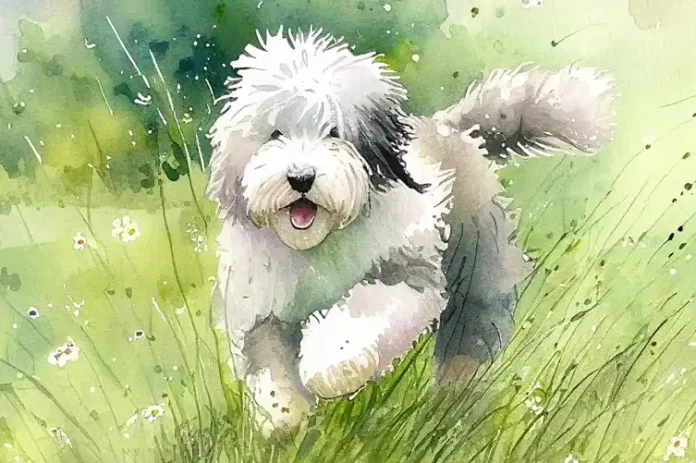
Old English Sheepdogs are affectionate, loyal, and playful dogs that thrive in active families. Their temperament makes them excellent companions, but they require consistent grooming and exercise. This breed is best suited for households with the time, space, and energy to meet their needs.
DoggyZine.com
The Old English Sheepdog temperament is affectionate, loyal, and protective, making this breed a popular choice for families. However, their large size, grooming needs, and energetic personality may not suit everyone. Understanding their temperament helps you decide if this iconic “gentle giant” is right for your family.
Meeting an Old English Sheepdog for the first time might surprise you. These magnificent breeds stand at least 24 inches tall at the withers and weigh between 60 to 100 pounds. Their imposing size and fluffy appearance make them look intimidating, but nothing could be further from the truth.
The breed’s name is somewhat misleading. These dogs emerged just 200 years ago in England, evolving from early herding dog types. Their intelligent, sociable, and playful nature has made them beloved family companions. Experienced pet parents with spacious homes appreciate these dogs’ herding instincts, but they need lots of daily attention. The breed’s temperament demands constant companionship. These dogs can become destructive if left alone, even briefly, and they require one to two hours of vigorous exercise daily. Anyone captivated by an adorable sheepdog puppy should first consider whether the breed’s temperament matches their family’s lifestyle.
Table of Contents
What Makes the Old English Sheepdog Unique?
The Old English Sheepdog hasn’t been around as long as many ancient breeds. These dogs emerged about 200 years ago in England’s southwestern counties. They weren’t bred to herd sheep but rather to help drovers move sheep and cattle to market.
Brief history and origin
Dog enthusiasts love to debate this breed’s ancestry. Some experts believe the Scottish Bearded Collie shaped the Old English Sheepdog’s development. Others point to the Russian Owtchar as a possible ancestor.
People knew these dogs as the “Shepherd’s Dog” when they first showed up at a Birmingham dog show in 1873. The show had just three entries, and the judge found them nowhere near good enough. He awarded only a second place. These humble starts didn’t stop the breed from becoming a hit with wealthy families. By the 1900s, America’s richest families owned these distinctive dogs. The Morgans, Vanderbilts, Goulds, Harrisons, and Guggenheims all bred and showed them.
The name “Bobtail” comes from a practical reason. Working dogs got their tails docked to show their job status, which meant they didn’t get taxed. Many countries still practice tail docking today.
Physical traits and coat characteristics
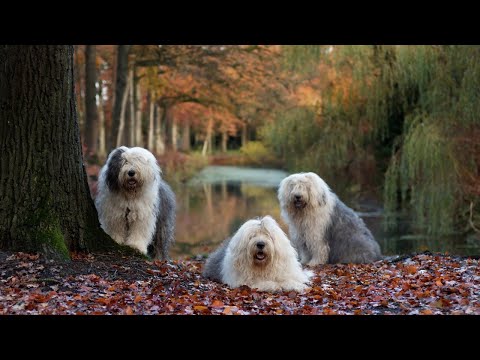
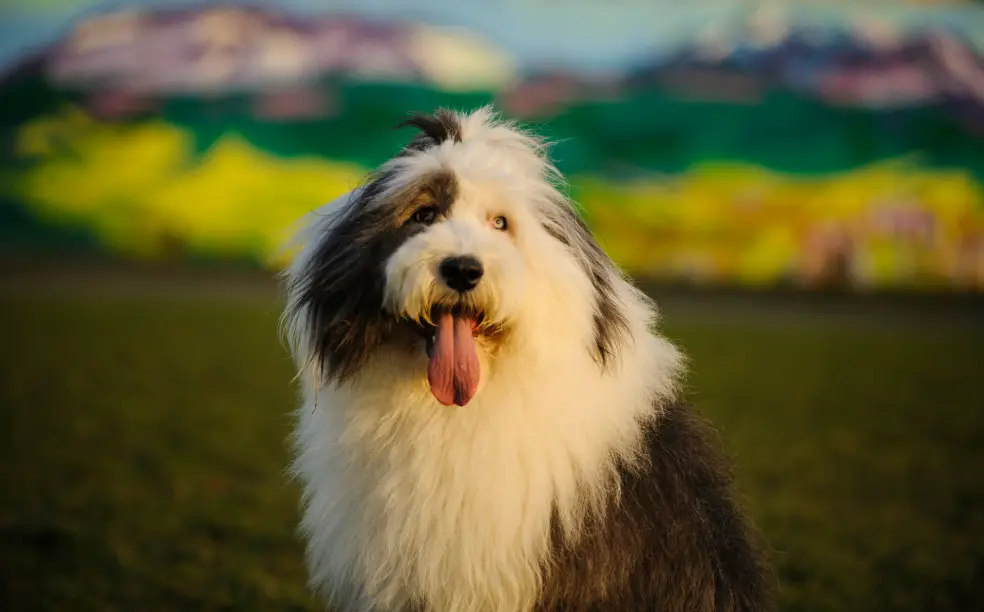
You can spot an Old English Sheepdog right away by its thick, shaggy coat that makes it look like a bear. These muscular dogs have a unique body shape – they stand lower at the withers than at the loin, which gives them a pear shape from above. They move with a rolling gait that reminds people of a bear.
The breed’s amazing double coat has these features:
- A waterproof undercoat that shields against harsh weather
- A hard-textured, shaggy outer coat that’s never straight or curly
- Colors ranging from gray, grizzle, blue, or blue merle, usually with white markings
This weatherproof coat evolved to protect dogs during England’s wet winters and warm summers. The sort of thing I love is how their wooly look helped them blend in with sheep flocks.
These puppies start life with black and white coats. They get their signature gray or silver shaggy fur after their puppy coat falls out. Most people don’t realize these dogs only shed when brushed.
Old English Sheepdog puppy temperament
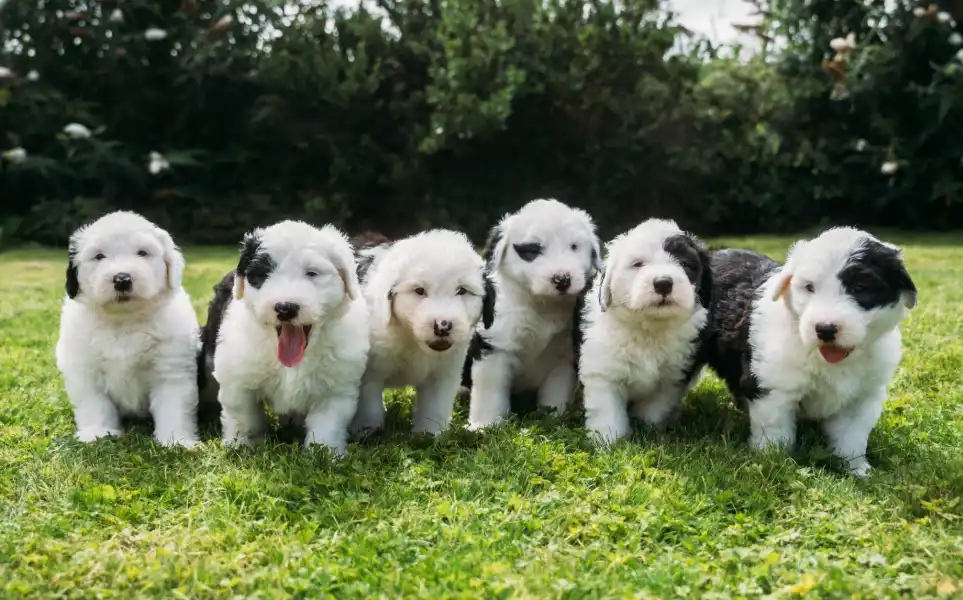
Old English Sheepdog puppies bring wild playfulness to any home. They need more than two years to grow up and calm down. Their extended puppyhood means lots of energetic moments.
Smart and adaptable, these dogs have a great sense of humor. Owners often say their dogs seem to enjoy watching them react to their silly antics. Their clownish personality has earned them the title “clowns of the dog world”.
These friendly pups love their families but might take time to warm up to new faces and other animals. Early exposure to people and pets helps develop their natural gentle nature.
Mental stimulation and exercise keep these puppies happy. Without enough activity, they might dig, chew, or bark too much. Good training helps their smart, independent nature grow into the balanced temperament that makes adult Old English Sheepdogs such wonderful family pets.
Is Their Temperament a Good Match for Your Family?
You need a clear understanding of their unique temperament before bringing an Old English Sheepdog into your home. These lovable giants have distinct personality traits that make them perfect companions for some families but challenging for others.
Old English Sheepdog temperament intelligent and sociable
A remarkably intelligent mind exists beneath that iconic shaggy coat. Old English Sheepdogs learn quickly and easily grasp commands. Their intelligence can be both a gift and a challenge – they pick up new skills faster but get bored with repetitive training. These dogs retain everything they learn, so they need consistent guidance instead of endless repetition.
Old English Sheepdogs need human companionship. They build deep bonds with their families and tend to follow their people around all day. This attachment comes from their working heritage – they were bred to work with humans and still want that close partnership.
A word of caution: these dogs don’t do well alone. Leaving an Old English Sheepdog alone for long periods usually creates separation anxiety and problems like excessive barking or destructive chewing. Families where someone stays home most of the day will find this attachment turns into steadfast loyalty and affection.
Energy levels and playfulness
In stark comparison to their substantial size, Old English Sheepdogs keep their youthful spirit well into adulthood. Many owners talk about their dogs’ extended puppyhood and say these dogs often don’t fully mature until they’re about three years old.
Old English Sheepdogs need about one to two hours of daily physical activity. This can be walks, play sessions, or dog sports like agility training. They become frustrated without enough exercise and might develop behavioral issues.
Their distinctive sense of humor might be their most endearing trait. Old English Sheepdogs seem to enjoy their owners’ reactions to their silly antics. Their playful nature often results in goofy behaviors that fill their homes with joy and laughter.
These dogs become relaxed couch potatoes when they’re not active. This dual nature – energetic when stimulated yet calm when relaxed – makes them versatile companions for families with different lifestyles.
How they interact with kids and guests
Old English Sheepdogs stand out for their gentle patience with children. People often call them “nanny dogs” because they protect and nurture younger family members. Their calm nature and gentle play style make them great companions for families.
You still need to watch them because of their size and occasional excitement. Bigger Old English Sheepdogs might accidentally bump into small children while playing. They usually fit better with families who have older children that know how to interact with dogs properly.
Their behavior with visitors varies slightly. Though generally friendly, some Old English Sheepdogs are cautious around strangers – a protective instinct from their herding background. This watchfulness and their loud, distinctive bark make them good alert dogs without being aggressive guardians.
Well-socialized Old English Sheepdogs usually get along great with other pets. Early exposure to different animals helps reduce herding behaviors, especially toward smaller pets.
The perfect family for an Old English Sheepdog has active members who value intelligent companionship, provide consistent training, and want a dog that joins family activities while offering gentle affection and protection.
Can You Meet Their Daily Needs?
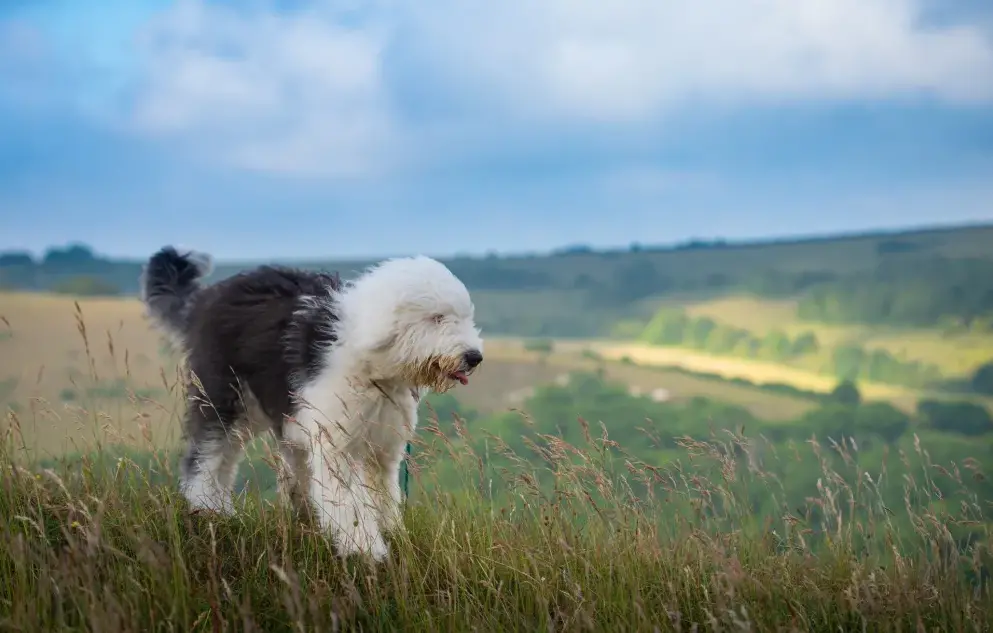
Taking care of an Old English Sheepdog goes beyond understanding their temperament. You’ll need a steadfast dedication to three areas that matter most. Let me get into what it really takes to care for these magnificent dogs every day.
Exercise and mental stimulation
Old English Sheepdogs are more active than their size might suggest. These working dogs need 1-2 hours of exercise daily to stay physically and mentally balanced. Even the most good-natured sheepdog can turn destructive when bored.
These dogs do well with different types of exercise like:
- Daily walks (at least one good walk per day)
- Fetch games that tap into their herding instincts
- Agility training that challenges both body and mind
- Interactive puzzle toys that promote problem-solving
The sort of thing I love about the Old English Sheepdog’s temperament is their “off switch” indoors. They settle down nicely inside after enough exercise, which makes them adapt well as companions.
Grooming time and effort
The iconic shaggy coat needs serious attention. Their double coat needs 3-4 hours of grooming each week—this isn’t an exaggeration but real time you’ll spend. Daily brushing helps prevent mats that can trap dirt and bacteria.
New owners often don’t realize how much care the coat needs. The core team of professional groomers becomes necessary several times monthly throughout the dog’s life. Many people choose “puppy trims” or shorter cuts to make maintenance easier, but regular brushing remains essential even with shorter styles.
Feeding and nutrition basics
Old English Sheepdogs usually eat 2½ to 4½ cups of high-quality dog food daily, split into two meals. Puppies need three meals daily until they’re about six months old.
Quality nutrition should include:
- Real meat as the main ingredient
- Essential fatty acids for their magnificent coat
- Complex carbohydrates that provide lasting energy
- Limited fillers like corn and rice
Watching portion sizes is vital since their thick coat can hide weight gain. Regular weigh-ins help prevent obesity, which matters because extra weight puts stress on large-bodied dogs’ joints.
Proper nutrition, regular exercise, and careful grooming create the foundation for a healthy, well-adjusted Old English Sheepdog. These elements help their wonderful temperament shine through.
Training and Behavior Management
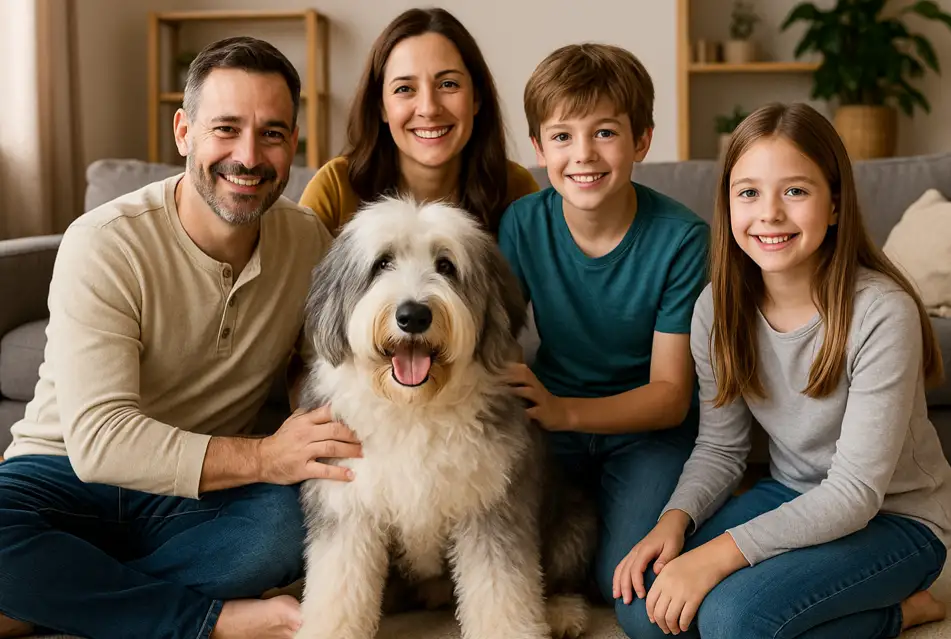
Training an Old English Sheepdog takes a deep understanding of their mindset. These intelligent canines pick up new skills quickly but can show streaks of stubbornness that need patient handling. Their remarkable mental abilities make them eager learners, though this intelligence means they need engaging training methods so they don’t get bored.
Obedience training essentials
Old English Sheepdogs respond best to positive reinforcement rather than punishment-based training methods. Harsh corrections will break the trust between you and your dog and slow down their progress. The quickest way to shape desired behaviors is through rewards, praise, and consistent cues.
The foundations of a well-mannered sheepdog start with “sit,” “stay,” “come,” and “heel” commands. Teaching these basics isn’t just about good manners—it’s about safety, given their substantial size. An 80-pound sheepdog can accidentally knock over family members when jumping, which makes obedience training vital.
Short training sessions work best—10-15 minutes, 2-3 times daily. These dogs learn and retain information better when sessions stay brief and engaging.
Preventing boredom and destructive behavior
Bored Old English Sheepdogs often turn destructive. They’ll create their own entertainment if they lack proper outlets—usually by chewing furniture, shredding pillows, or barking non-stop.
To curb this behavior, provide:
- Mental stimulation through puzzle toys and treat-dispensing games
- Daily physical activity (at least 1-2 hours)
- Rotating toys instead of leaving everything available at once
These dogs need mental challenges as much as physical exercise. Brain teasers, scent games, or simple hide-and-seek activities can keep their minds occupied effectively.
Tips for first-time dog owners
Early socialization with different people, environments, and animals helps prevent behavioral issues as Old English Sheepdogs mature.
First-time owners should set consistent routines right away. Clear boundaries and expectations help these dogs thrive. They think independently—so make training feel collaborative rather than forced by working with this trait.
Stubborn puppies eventually respond well to positive, reward-based training that taps into their natural instincts. Patience is vital since some Old English Sheepdogs might take up to three years to fully develop their adult behaviors.
Things to Consider Before Bringing One Home
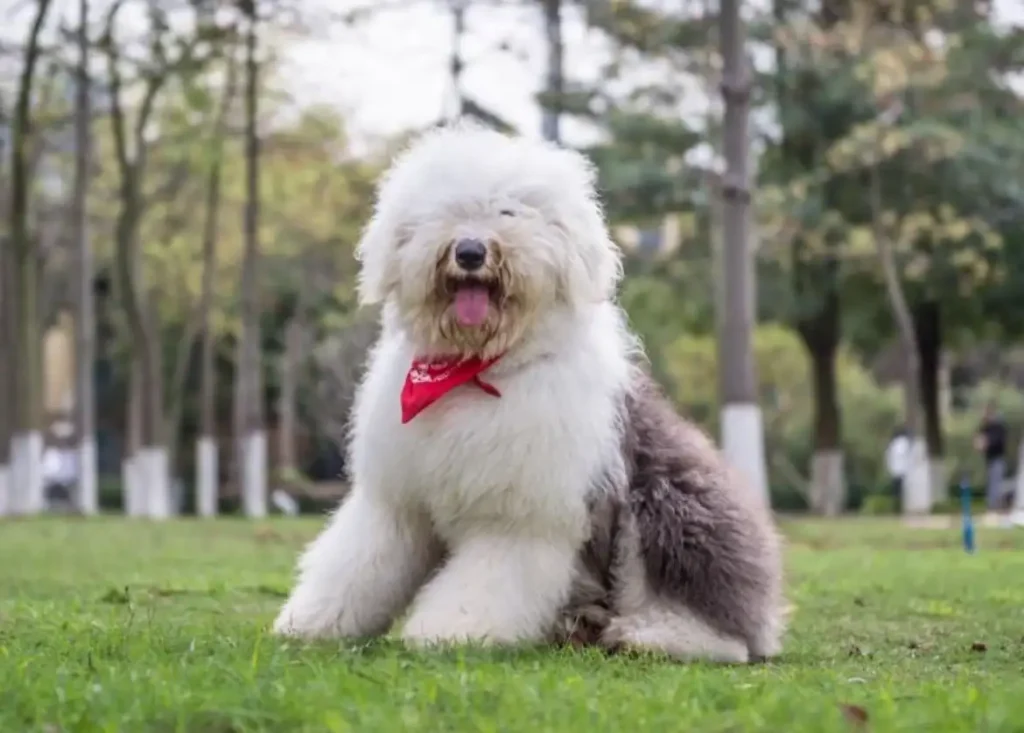
You should think about practical matters before bringing an Old English Sheepdog home, whatever their charming personality might be.
Space and lifestyle compatibility
These dogs grow into 100-pound adults, so they just need plenty of living space. Your shaggy giant will want enough room to move freely inside your home.
A secure, fenced yard plays a vital role in safe outdoor adventures. Your Old English Sheepdog belongs indoors with the family, even with outdoor access. They build strong bonds with their humans and get upset when left alone too long.
Time commitment and daily routines
An Old English Sheepdog needs lots of your time. Ask yourself if you can spend 3-4 hours every week just brushing their coat. Their magnificent fur becomes matted quickly without regular grooming and traps dirt easily.
Your daily schedule must include:
- Mental and physical exercise every day
- At least one good walk plus playtime
- Regular companionship (they hate being alone)
These dogs do best with consistent, well-laid-out routines. Their strong family attachment means they won’t do well in homes where everyone works long hours.
Costs of ownership and vet care
Getting ready financially matters before bringing home an Old English Sheepdog. Monthly costs usually include:
- Premium food: $70-$120
- Professional grooming: $80-$150 per session
- Routine veterinary care: $40-$80
Total lifetime costs go beyond $17,000. Large dogs’ medications and treatments cost more than smaller breeds. Pet insurance runs $30-$70 monthly but helps protect against surprise vet bills.
The bottom line? Make sure your living space, daily routine, and bank account can handle these amazing but demanding dogs before making the commitment.
Conclusion
Old English Sheepdogs definitely steal hearts with their teddy bear looks and gentle nature. These dogs’ playful, intelligent personality makes them amazing family companions. In spite of that, new owners should think about several factors before bringing one home.
Space sits at the top of the list. These big, shaggy dogs need plenty of room to move around, but they adapt well to indoor living with enough exercise. On top of that, their grooming just needs real dedication – that beautiful coat takes hours of weekly care.
You’ll need to invest more than just grooming time. Old English Sheepdogs build deep bonds with their families and feel distressed when left alone. They do best in homes where someone stays around most of the day. These dogs also just need dedicated exercise—one to two hours daily keeps their body and mind healthy.
Money matters too. Quality food, regular pro grooming, and vet care make these magnificent dogs a major investment throughout their lives. Most owners say the cost is worth it for such loyal friends.
The right match happens when families understand what these dogs bring – both challenges and joys. Families with older kids, active lifestyles, and enough training time usually build the best bonds with Old English Sheepdogs. Their silly behavior and steadfast dedication create lasting memories.
These dogs aren’t right for every home. Their special needs call for dedicated owners ready for a 10+ year journey. Families who meet these needs ended up with amazing companions – gentle giants whose loving nature and charm bring joy every single day.
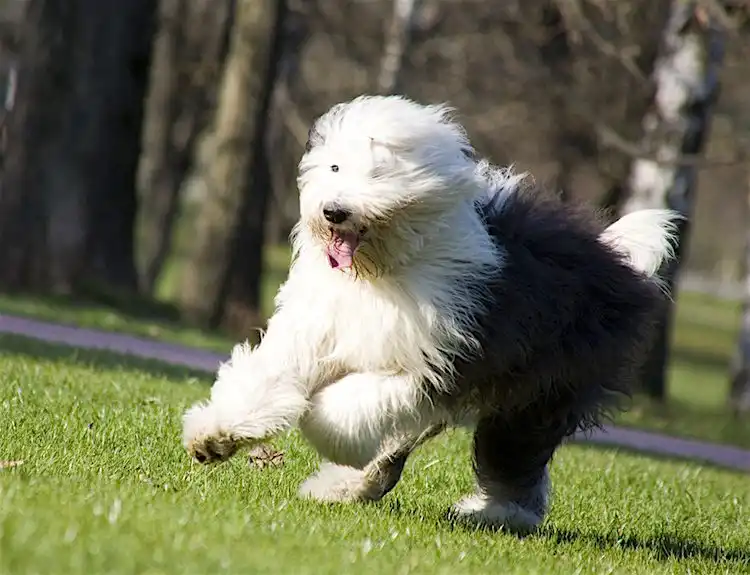
FAQs
Are Old English Sheepdogs good family dogs?
Yes, Old English Sheepdogs have a loving temperament and are excellent family dogs. They bond closely with children and thrive in active households that can meet their care and grooming needs.
What is the temperament of an Old English Sheepdog?
The Old English Sheepdog temperament is affectionate, protective, and playful. They are loyal companions but require regular exercise and mental stimulation to stay balanced.
Do Old English Sheepdogs need a lot of grooming?
Yes, Old English Sheepdog care includes heavy grooming. Their thick coat needs brushing several times a week to prevent matting and maintain their signature fluffy look.
Are Old English Sheepdogs good with children?
Old English Sheepdogs are known as gentle giants. Their family-friendly temperament makes them excellent with children, though supervision is advised due to their size and energy.
What lifestyle suits an Old English Sheepdog best?
An Old English Sheepdog is ideal for active families with space, time, and commitment to grooming. Their temperament thrives in environments where they receive plenty of interaction and exercise.