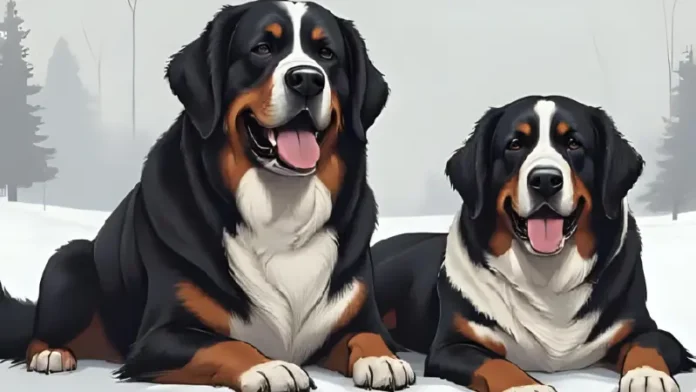
Bernese Mountain Dogs as family pets are ideal due to their gentle temperament, loyalty, and love for children. Their calm and affectionate nature ensures they fit perfectly into a family household.
DoggyZine.com
Bernese Mountain Dogs, often called “gentle giants,” are perfect family pets. Their calm and affectionate personality, combined with patience around children, makes them a loyal and loving addition to any household seeking a family-friendly dog.
The American Kennel Club ranks Bernese Mountain Dogs as the 21st most popular breed in America in 2023. After owning one for years, I definitely see why. These magnificent dogs give their families unconditional love and create bonds that enrich our lives. Their lifespan of 7-10 years is surprisingly short compared to other large breeds, but their amazing temperament makes every moment count.
A dog’s temperament is without doubt a vital factor to think about, and Berners shine in this aspect. They bond beautifully with kids, which makes them ideal companions for families. My experience as a Bernese Mountain Dog owner shows they can be stubborn sometimes, but their eagerness to please always comes through. Their stunning tricolor coat features jet black, clear white, and rust, while their friendly nature makes them noticeable anywhere. These gentle giants arrived in the United States in 1926 and have steadily won dog lovers’ hearts nationwide.
Table of Contents

The Origins and Purpose of the Bernese Mountain Dog
The majestic Bernese Mountain Dog’s history spans nearly 2,000 years back to Roman conquests. Roman legions brought Mastiff-type dogs with them as they crossed the Alps into present-day Switzerland. These powerful canines helped transport supplies and guard troops while Romans gained control of the route between Italy and Spain.
From Swiss farms to family homes
Roman dogs bred with local farm dogs in the Swiss Alps over centuries. This breeding created what we now know as “Sennenhunds” or alpine field dogs. The breed’s name comes from the canton of Bern, a Swiss midland region that grew into a vital agricultural center. The breed belongs to a distinct family of four Swiss mountain dogs or Sennenhunde:
- Bernese Mountain Dog
- Greater Swiss Mountain Dog
- Appenzeller Sennenhund
- Entlebucher Sennenhund
The Berner stands out from its Swiss cousins with its beautiful, moderately long silky coat that can be slightly wavy or straight. Their distinctive tricolor pattern of black, white, and rust makes them easy to spot among other Sennenhund breeds.
The breed almost vanished during the late 1800s Industrial Revolution as machines replaced working farm dogs. Swiss dog enthusiasts began reviving the breed around the 20th century’s start. The Swiss dog club created a Swiss shepherd dog class in 1904, and dog lovers founded the first Bernese breed club “Schweizerischer Dürrbach-Klub” in 1907. This move officially recognized and standardized the breed.
A Kansas farmer brought the first Bernese Mountain Dog pair to America in 1926. The American Kennel Club officially recognized the breed in 1937. The Bernese Mountain Dog Club of America formed in 1968 to safeguard this magnificent breed’s future.
The original bernese mountain dog purpose
Bernese Mountain Dogs served as versatile farm companions rather than specialists. These dogs worked as livestock herders and farm guardians. Their tremendous strength made them excellent draft animals, pulling carts loaded with supplies heavier than themselves.
Berners proved essential for farmers near Bern who couldn’t afford horses. These dedicated dogs transported milk, cheese, and produce to market. They also acted as watchdogs and alerted farmers about strangers approaching their remote farms.
Swiss farmers kept few cattle before 1830 since excess milk had limited use. Dogs mainly guarded grain crops and stayed with the small livestock herds during this time. Cheese production expanded after 1840, and milk’s value increased. Farmers began keeping larger herds of 6-15 cows, which gave Bernese dogs more cattle-related duties.
Locals nicknamed these dogs “Cheese Dogs” because of their vital role in dairy transportation. Beyond their farm work, they offered companionship to farmers and their families. This mix of working ability and loving temperament created the foundation for their worldwide popularity as family pets today.
Appearance and Size: What Makes Them Stand Out
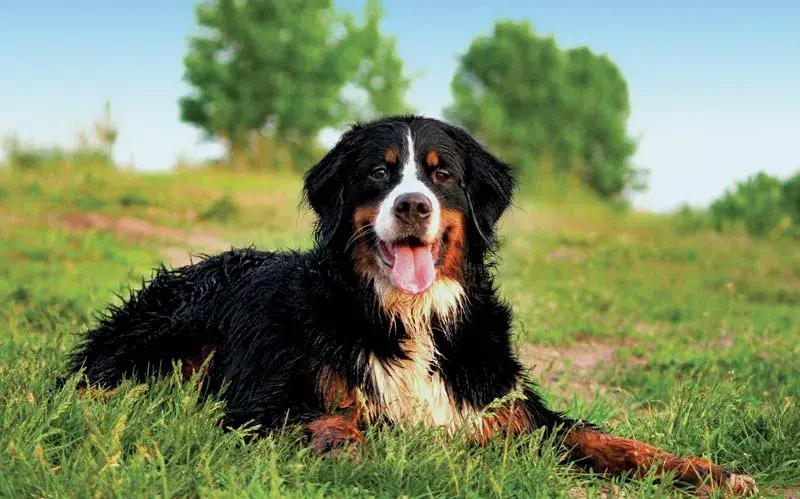
A single look at a Bernese Mountain Dog shows why these gentle giants steal hearts right away. Their remarkable looks blend strength and grace in a way that sets them apart from other breeds. My years as a Berner owner taught me their appearance shapes everything about their care and lifestyle needs.
Bernese mountain dog size and build
Bernese Mountain Dogs stand among the larger dog breeds, showing clear size differences between males and females. Male adults reach an impressive height of 25 to 27.5 inches at the shoulder and tip the scales at 80 to 115 pounds. Females stay a bit smaller but remain substantial at 23 to 26 inches tall and 70 to 95 pounds. The size gap between males and females really stands out in this breed.
These dogs have a body slightly longer than tall, with a strong, broad back and powerful muscles. Their robust frame comes from their history of pulling heavy loads on Swiss farms. The head shows a flat top with a moderate stop, while the ears sit high and form medium-sized triangles. They also have scissors bite teeth. Many owners decide to remove their dogs’ dewclaws.
Bernese Mountain Dogs usually reach their full height in about a year, growing over two feet tall. Their chest and frame continue to fill out for up to two years.
Tricolor coat and grooming needs
The Berner’s most striking feature is their beautiful tricolor coat pattern. Jet black serves as the main color, with clear white and rust markings. This classic pattern follows specific rules—white creates a blaze on the face, forms an inverted cross on the chest, and shows up on the feet and tail tip. Rust appears above the eyes, on the cheeks, chest sides, leg insides, and under the tail.
Their coat works hard too. These dogs have a thick double coat with a longer outer layer and wooly undercoat. This combination helped them handle the cold Swiss Alps. The coat looks straight to slightly wavy and has a nice shine.
Berners shed heavily all year, with big increases during spring and fall. Managing this “fur storm” takes regular work:
- Weekly brushing (daily during shedding seasons) with slicker brushes or metal combs for the undercoat
- Monthly baths using detangling dog shampoo
- Light trimming around feet, ears, and sanitary areas
How their looks affect their care
The Berner’s beautiful appearance creates special care needs that new owners should know about. Their thick double coat keeps them warm in cold weather but makes them heat-sensitive when temperatures rise. Summer activities need careful monitoring.
These big dogs need plenty of space inside and outside. A grown Berner takes up lots of room, so they need enough space to move freely. Their strong build makes them great partners for hiking and camping, but their size means proper joint care must start early.
Their white “boots” need extra attention. The fur between their paw pads often needs trimming to help them grip smooth floors better and prevent ice balls in winter. Regular nail trims become vital since their size means long nails can hurt them and affect their walk.
Keeping their tricolor coat looking good takes dedication. Good grooming does more than keep them pretty—it prevents skin problems and keeps your home from drowning in fur. Their looks tell the story of their heritage as working dogs bred for tough Alpine conditions.
Temperament and Personality Traits
A Bernese Mountain Dog’s personality makes it stand out as an amazing family pet. These gentle giants have the most soulful eyes that tell you everything about their sweet nature. My experience with these magnificent dogs has taught me why people love their unique character traits.
Bernese mountain dog temperament explained
Berners make exceptional companions thanks to their affectionate and intelligent nature. Their personality shines through several key traits:
- Gentle and calm demeanor that people often describe as “good-natured” with an eagerness to please
- Mild shyness around new faces but endless patience with family members and other pets
- Highly trainable because they’re smart and love to work with their owners
- Adaptable to their owner’s lifestyle—they match your energy level whether you’re active or relaxed
New Berner owners should know their dogs might act reserved in unfamiliar situations. Early puppy socialization helps them grow into confident and adaptable adults. Their working dog background still runs deep—they love having tasks and challenges to keep them busy. Unlike high-energy breeds, Berners have moderate energy levels that fit well with different family situations.
Are bernese mountain dogs good with kids?

These dogs are fantastic with children, and many families choose them for this exact reason. Their patient and gentle nature makes them perfect playmates for kids. They stay calm during energetic play sessions and never lose their cool.
Their size needs attention though—a Berner weighs between 70-115 pounds and could accidentally bump into small children while playing. Most Berners naturally protect children and see themselves as guardians. Kids can be unpredictable, but these dogs handle it beautifully with their steady temperament.
Loyalty and emotional bonding with owners
The sort of thing I love about Bernese Mountain Dogs is how deeply they connect emotionally. They build strong bonds with their families, usually picking one person as their special favorite or “alpha” human. Their loyalty shows up in many ways:
These dogs hate being alone and might get anxious when separated from their favorite people. You’ll often find them leaning against their humans for comfort. These smart dogs can sense your emotions too—whether you’re happy, sad, or stressed.
Berners react strongly to your voice tone and take scolding pretty hard. This sensitivity might seem tricky to handle at first, but it creates an amazing connection between you and your dog.
Living with a Bernese: What to Expect
My life changed when I brought a Bernese Mountain Dog into my home. After six years with my Berner, I’ve learned what these gentle giants need to feel happy and comfortable with their families.
Exercise needs and energy levels
These massive dogs might surprise you – they need moderate exercise, usually 1 to 1.5 hours each day. Berners have an unusual mix of high energy but limited stamina. Breaking up exercise into shorter sessions throughout the day works best.
Your dog’s age plays a big role in exercise needs. Puppies shouldn’t overdo it while their bodies grow. Adult Berners hit their peak and need a full hour of activity. Older dogs stay healthy with gentle movement that helps their joints and keeps their weight in check.
These dogs love activities that challenge both body and mind:
- Daily walks (two 30-minute sessions work well)
- Hiking on moderate trails
- Swimming (excellent for joint health)
Indoor vs outdoor living
Bernese Mountain Dogs shine as indoor family companions. Their farm dog background might fool you, but they’re not meant to be “backyard dogs” – they crave human contact. Most Berners have this adorable habit called “the Berner lean” where they press against their humans whenever possible.
Space matters with these big dogs. Your home needs enough room for them to move around. Living in apartments can work but you’ll need to provide plenty of outdoor activity. A house with a yard makes an ideal setup, but your Berner’s favorite spot will always be right next to you.
Climate considerations for their thick coat
Swiss Alps shaped these dogs, and it shows – they love cold weather where temperatures rarely go above 75°F. Their black, thick double coat works great against cold but makes heat a real challenge.
Hot weather calls for extra care. Watch out for signs of overheating as extreme heat can be deadly for Berners. Hot days mean your dog needs air conditioning, shade, and lots of fresh water. Save exercise for cooler morning or evening hours.
Here’s something that might surprise you – never shave your Berner’s coat. That double layer actually shields them from heat and prevents sunburn. Regular brushing helps manage shedding and lets air circulate better to keep them cool.
Health and Lifespan Considerations

Bringing a Bernese Mountain Dog into your life means accepting some tough truths about their health. These gentle giants have one of the shortest lifespans among purebred dogs. Every future owner should know this before welcoming one home.
Common health issues in the breed
Cancer remains the biggest problem, and studies show it causes 55% of deaths in the breed. These dogs face a high risk of histiocytic sarcoma—an aggressive multisystem disease that spreads faster and makes up a quarter of all tumors in Berners. Joint problems also show up often:
- Hip and elbow dysplasia affect many Berners. Elbow dysplasia rates range from 13.91% to 26%
- Degenerative myelopathy, which leads to paralysis as dogs age
- Bloat (gastric dilatation-volvulus), a life-threatening condition that needs immediate surgery
Other health challenges include von Willebrand’s Disease, progressive retinal atrophy, and various autoimmune disorders. Early detection through regular heart, eye, and joint screenings helps catch problems early.
Bernese mountain dog lifespan facts
The lifespan numbers tell a sad story. Bernese Mountain Dogs don’t live as long as other dogs their size. Several studies back this up:
- Swiss research found an average of 8.4 years
- Dutch studies reported 8 years
- French data indicated 8.1 years
- A UK study showed 10.1 years (compared to 12.7 for other purebreds)
A Swedish study revealed that all but one of these dogs died before age 10. Their short lives stem in part from their size, but high cancer rates play the biggest role.
Tips to improve their quality of life
You can take steps to help your Berner live their best life:
Keep them at a healthy weight because extra pounds make joint problems worse. Give them regular exercise without overdoing it. Schedule routine vet visits, stay current with vaccines, and catch health issues early.
Talk to your vet about preventive gastropexy during spay/neuter surgery to prevent bloat. Feed them quality food with the right calcium and phosphorus levels to help their bones grow strong. Genetic testing before breeding helps reduce inherited health issues in future litters.
Watch for small changes in your dog’s behavior or energy level that might signal health problems. Quick action at the vet’s office often makes a big difference in managing these conditions.
Conclusion
Bernese Mountain Dogs embody the perfect mix of gentle temperament, striking appearance, and devoted companionship. These magnificent dogs create an extraordinary emotional bond and show patient, loving interactions with family members of all ages, despite their shorter lifespans. The joy they bring to their owner’s life is nowhere near the heartbreak of their brief time with us.
Berners stand out from other breeds with their unique combination of traits. Their Swiss farm dog heritage has shaped them into a breed that values both work and human connection. Their stunning tricolor coat just needs regular grooming but rewards you with one of the most beautiful dogs that ever spread joy in this world.
New owners should think carefully about the commitment these dogs require. They just need moderate exercise and prefer cooler climates. Health challenges are a serious concern, especially when you have cancer risks to consider. Understanding these requirements helps provide quality care that encourages engagement to maximize their lifespan and happiness.
The choice to welcome a Bernese Mountain Dog means accepting their shorter lifespan in exchange for exceptional companionship. Their gentle nature with children, family loyalty, and calm demeanor make them perfect family pets if you have adequate space and time. Saying goodbye comes too soon with these gentle giants. The years spent with their loving presence create lasting memories that make every moment with these magnificent dogs worthwhile.

FAQs
Are Bernese Mountain Dogs good with children?
Yes, Bernese Mountain Dogs are known for their patience and gentleness with children, making them excellent companions for families.
What is the temperament of a Bernese Mountain Dog?
Bernese Mountain Dogs possess a calm and affectionate temperament, characterized by loyalty and a strong desire to please their owners.
Do Bernese Mountain Dogs require a lot of exercise?
While they enjoy regular walks and playtime, Bernese Mountain Dogs have moderate exercise needs and are content with daily activity.
How do Bernese Mountain Dogs interact with other pets?
With proper socialization, Bernese Mountain Dogs generally get along well with other pets, showcasing their adaptable and friendly nature.
What grooming needs do Bernese Mountain Dogs have?
Due to their thick double coat, Bernese Mountain Dogs require regular brushing to manage shedding and maintain coat health.
“Bernese Mountain Dog Graphic Tee for proud dog lovers.”