


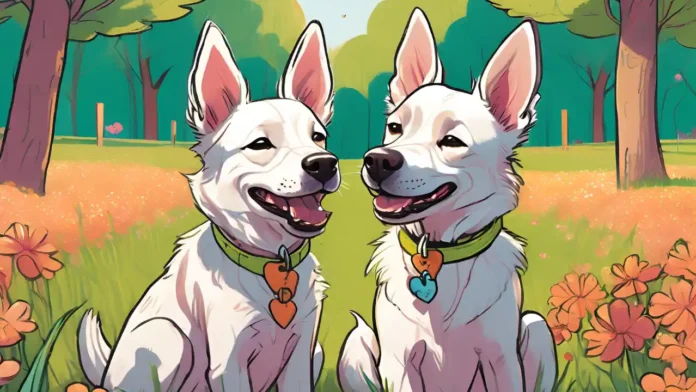
Dog cloning is a scientific process that creates a genetic copy of a pet using a cell from the original dog. While the clone shares the same DNA, personality and behavior may differ. The procedure costs around $50,000 and raises ethical and emotional questions.
DoggyZine.com
Would you pay $50,000 to clone your beloved dog? Commercial cloning has created more than 2,000 cloned dogs in the United States since 2004. The success rate stays at just 20%, so multiple attempts are needed to create a healthy clone.
Dog cloning technology has improved substantially since the first successful clone in 2005. The 120-day trip requires tissue sampling, cell reproduction, and surrogate dogs for a 60-day gestation period. Let’s explore the complete process, costs, and limitations of dog cloning. You’ll understand what a $50,000 investment means and whether a clone can truly recreate your cherished companion.
Table of Contents

Why People Choose to Clone Their Dogs
Dog owners often see their canine companions as more than just pets. These furry friends become irreplaceable family members who bring love, companionship, and fulfillment throughout their lives. People who face the loss of these beloved animals sometimes look to an option that used to exist only in science fiction: dog cloning.
Emotional Attachment and Grief as Motivators
Losing a cherished dog can leave owners completely devastated. They feel grief similar to losing a human family member. This deep emotional response becomes the main goal behind choosing to clone a pet. A cloning company representative put it this way: “For many, cloning is a grief-driven investment. It’s about preserving a bond that feels irreplaceable”.
Dogs live much shorter lives than humans – usually between 7 and 15 years. This reality makes the $50,000 price tag seem worth it to some grieving pet owners. They ask themselves: what’s $50,000 if it saves the unbearable pain of saying goodbye to a family member?
Take John Mendiola, a retired police officer. He didn’t have “enormous wealth to throw around,” but spent $50,000 to clone his dog Princess after cancer took her life. His choice shows what psychologists know about pet loss – the grief can hurt more than losing a human family member. Our pets give us reliable and meaningful relationships.
Experts worry about using cloning to deal with grief. Jessica Pierce, a bioethicist and pet owner, warns that cloning might replace a pet but shouldn’t skip the natural grieving process for the original. Some psychologists suggest that cloning might delay proper grief processing:
“The idea of a 1:1 genetic continuation of a person’s relationship with their pet can mean the delay in dealing with one’s feelings and not a shortcut to effectively managing them”.
Desire to Preserve Unique Traits and Memories
People choose dog cloning to save specific traits they found special in their pets. They hope to recreate physical features and unique personalities that made their relationships special.
“You may want certain traits or characteristics of a dog to be present in another dog as well, which is why you want to resort to this process”. Some owners focus on intelligence, temperament, and appearance – traits that cloning companies say can be passed on to a genetic twin.
Owners find it hard to explain what made their original pet “special.” Research shows that “Most of the cloning clients struggled to say exactly what it was about the original animal that they had wanted to reproduce… Many spoke of the original as simply ‘special’—but the specific nature of that specialness seemed to be ineffable”.
Science has its limits here: cloned dogs develop their own personalities despite sharing 100% of their DNA. Barbra Streisand learned this after cloning her dog Samantha. She told Variety that her two cloned puppies “have different personalities” than the original. She wrote in The Times, “You can clone the look of a dog, but you can’t clone the soul”.
A pet owner shared their experience on Reddit: “Cloning felt like the only way to keep my Border Collie ‘alive.’ The puppy looks just like her, but it’s not a miracle. It’s her twin sister”.
Medical ethicist Art Caplan states this vital point: “You don’t get back the dog you wanted because you can’t clone personality and behavior”. The chance to extend a treasured human-canine bond – even differently – makes some owners spend thousands on the process.
Alexandra Horowitz from Columbia University’s Canine Cognition Lab describes this as the “great sadness about living with dogs” – we get too little time with them. Pet cloning gives some people a chance to extend that precious connection. They learn that they won’t get their original companion back, but rather a genetic twin born at a different time.
Understanding the Pet Cloning Process Step-by-Step
The science behind dog cloning involves several complex steps that take about 120 days to complete. The reality differs from science fiction – creating your pet’s genetic twin needs advanced biomedical techniques and perfect timing at every stage.
Tissue Collection and Genetic Preservation
The experience starts with genetic preservation by collecting viable cells that contain your dog’s complete DNA. Your dog needs four skin samples (approximately 2cm x 2cm) taken by a licensed veterinarian. These samples come from the abdomen or inner thigh using a 4mm punch biopsy tool with local anesthesia.
Time plays a crucial role, especially after your dog passes away. Cells stay viable up to 5 days after death, but only with refrigeration—never freezing. Freezing damages cellular DNA faster, which makes successful cloning nowhere near as likely. The ear’s cells have shown better results for postmortem sampling.
The samples travel in sterile saline solution to specialized facilities. Here, technicians sterilize and process them to establish cell growth. They freeze the cultured cells using proprietary techniques and store them forever in liquid nitrogen at -186°C. This preservation costs about $1,600 and serves as the foundation for future cloning.
Embryo Creation and Surrogate Implantation
The actual cloning starts with somatic cell nuclear transfer (SCNT) after preservation. Scientists get unfertilized eggs from female donor dogs. They remove the nucleus (containing DNA) from each egg through enucleation.
A single preserved cell from your original dog goes into this “empty” egg. The cell-egg combination receives fine-tuned electrical pulses that join them together and activate the egg to develop like natural fertilization. Genetics professor Perry Hackett notes this complex procedure succeeds about 40% of the time.
Scientists surgically transfer these reconstructed embryos into surrogate mothers’ oviducts after 2-3 days. A practitioner explains: “We have a vet on staff who makes a small midline incision, exteriorizes the ovary, and uses a catheter to place the embryos right into the oviduct. The whole procedure takes about ten minutes”.
Labs usually implant multiple embryos to boost pregnancy chances, as cloning efficiency stays above 2.0%. The team must also think about embryo placement depth and position in the oviduct to optimize success rates.
Delivery and Early Puppy Care
Surrogate mothers get ultrasound examinations 28-30 days after transfer to confirm pregnancy. After a normal 60-day canine pregnancy, they deliver the cloned puppies—often through planned cesarean section to reduce complications.
Cloned puppies receive health assessments at birth using a modified APGAR scoring method to assess their condition and survival chances. Recent advances have led to “minimal losses after parturition” and “adult survival next to guaranteed in cloned pups which are born healthy”.
The core team cares for cloned puppies until they reach 8-12 weeks. During this time, they receive proper nutrition, vaccination, and socialization before meeting their permanent families. Research shows cloned dogs have normal health traits and life expectancy compared to non-cloned pets.
Reputable companies “assume full responsibility for the long-term care and well-being of all egg donors and surrogates” throughout this process. These surrogate mothers live in “secured and safe facilities” with social groups, toys and daily human interaction.
Cost Breakdown: What $50,000 Really Covers
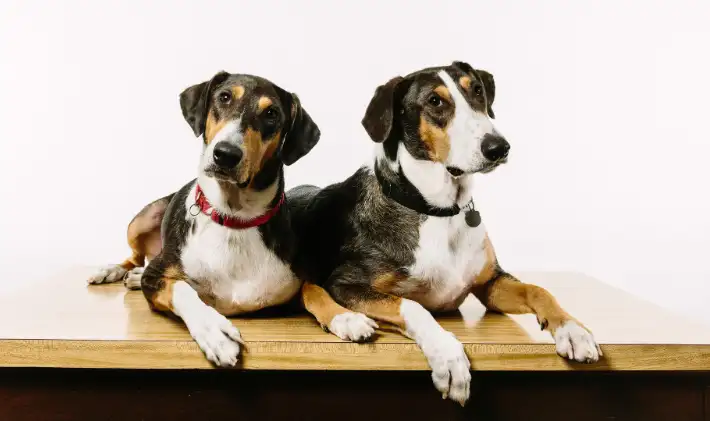
The pet cloning industry charges a hefty price to create a genetic twin of your beloved dog. Most clients experience sticker shock when they ask about dog cloning services and learn the standard price.
Genetic Preservation vs Full Cloning Package
You have two options to start your dog cloning trip: go all-in with the full cloning process or save your pet’s genetic material for future cloning. ViaGen, a prominent U.S.-based pet cloning company, charges $1,600 for genetic preservation and an additional $150 annual storage fee. About 80% of clients choose to store their pet’s DNA first without moving forward with cloning right away.
The full package to clone your dog costs exactly $50,000. This big investment splits into two equal payments:
- $25,000 original deposit before the cloning starts
- $25,000 final payment after successful cloning
It’s worth mentioning that most companies give you a money-back guarantee. One provider states they “will refund if a clone is unsuccessful”. This policy helps protect your investment, though it doesn’t ease the emotional letdown of a failed attempt.
Dog cloning prices have dropped significantly over time. The minimum cost in 2008 was $100,000 (that’s $122,750 in 2020 dollars). Today’s $50,000 price tag shows a 60% reduction for dogs after inflation adjustment.
Here’s what other pet cloning services cost right now:
- Cats: $25,000-$30,000
- Horses: $85,000
Surrogate Care, Lab Work, and Delivery Logistics
Let’s break down what your $50,000 investment gets you:
| Component | Low-End Cost | High-End Cost |
|---|---|---|
| Biopsy | $60 | $450 |
| Cold Storage | $100 | $160 |
| Cloning Procedure | $25,000 | $150,000 |
| Birth and Weaning | $300 | $7,900 |
| Kenneling | $250 | $1,000 |
| Travel and Transport | $30 | $2,000+ |
| Puppy Healthcare | $400 | $3,250 |
| Total | $26,140 | $166,200+ |
The cloning procedure itself costs the most. It covers “fusing the donor DNA with an unfertilized egg, as well as the embryonic implantation into the surrogate mother”. This complex process needs specialized lab equipment, skilled technicians, and multiple attempts to succeed.
Your payment also covers detailed care for surrogate mothers and donor dogs. Companies take “full responsibility for the long-term care and well-being of all egg donors and surrogates”. This means providing “state-of-the-art housing, high nutrition diets, expert veterinary care and many other features that enrich the lives” of these animals.
The fee also includes any needed surgeries since surrogate mothers often need cesarean sections. Cloned puppies get about 8 weeks of expert care after birth. This care package has weaning, first vaccinations, and early socialization.
The package includes safe transport of your cloned puppy to your home. Local delivery might cost little, but international shipping can exceed $2,000.
Many clients wonder if these results are worth such a big investment. The cloning process guarantees genetic matching but can’t copy your original dog’s personality or behaviors—a key point that often gets lost in discussions about cost.
Ethical Concerns in Commercial Dog Cloning
Dog cloning technology brings up serious ethical questions that need careful examination, beyond just technical complexities and high costs. Animal welfare organizations and veterinary experts have serious concerns about commercial pet cloning companies and how they affect animal welfare.
Use of Surrogate and Donor Dogs in the Process
Commercial dog cloning needs multiple animals throughout the process. Female dogs must go through invasive procedures as egg donors. These dogs get artificial hormone treatments to make their ovaries produce eggs, which are then surgically removed. Critics call this process “a really expensive, highly scientific puppy mill” where animals are “kept against their will” and “hormonally supplemented”.
Surrogate mothers face major physical challenges. These dogs have higher risks of miscarriage and delivery problems compared to natural pregnancies because cloned embryos often lead to complicated pregnancies. Bioethicist Jessica Pierce puts it bluntly, describing “a whole canine underclass that remains largely invisible to us but whose bodies serve as a biological substrate”.
Research labs must follow strict rules about animal use, but commercial cloning companies often work under unclear regulations. This difference has led organizations like the American Society for the Prevention of Cruelty to Animals (ASPCA) to call for “a moratorium on the research, promotion and sale of cloned and bioengineered pets”.
Animal Welfare and High Embryo Failure Rates
Dog cloning success rates remain low. Only about 20% of cloning attempts work, which means all but one of these attempts fail. These numbers show improvement from earlier efforts—Snuppy, the first cloned dog, came from just three pregnancies out of more than 1,000 embryos placed into 123 surrogate mothers.
These numbers reveal serious welfare issues:
- Surrogates go through surgical embryo implantation procedures
- Many pregnancies result in spontaneous abortion or stillbirth
- Cloned puppies often have developmental problems
- Failed clones might suffer pain before death
Veterinary ethicist James Serpell asks key questions about this process: “It’s unclear at this point how many of the cloned offspring actually survive to term. Do some of the puppies die very young? Are we intentionally inflicting suffering on the ones that don’t make it?”.
Cloning companies tell a different story. Their representatives say that “animals are used only once for a cloning event and well cared for, with the consistent aim of decreasing animal use and reducing any potential stress or suffering”. They also claim that “adult survival is next to guaranteed in cloned pups which are born healthy”.
People debate whether the benefits make up for the animal welfare costs. The Merck Veterinary Manual notes that while cloning causes more animal suffering than standard breeding, “most of these findings are not unique to cloning; they are also associated with other procedures that have been generally accepted as worthwhile”. Some argue that learning about life processes and animal diseases might be worth the welfare costs.
Organizations from the RSPCA to the Center for Food Safety disagree. They stress that commercial pet cloning creates “a fundamental change in our relationship with animals” and causes unnecessary suffering without good reason.
Scientific Limitations of Cloning a Dog’s Identity
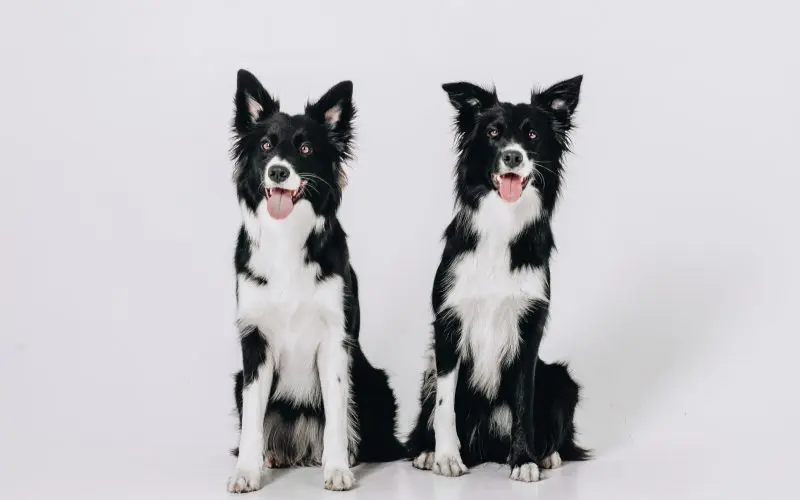
DNA similarity doesn’t guarantee a similar pet, whatever the sophistication of modern dog cloning technology. Many clients often misunderstand this basic limitation when they try to recreate their beloved companions.
Epigenetic Divergence in Cloned Puppies
Cloned dogs have the same DNA sequences but develop their own unique epigenetic profiles. Epigenetics changes how genes express themselves without changing the DNA sequence. These changes shape everything about an animal’s development and life experiences.
Science explains why cloned puppies differ from their genetic donors. The surrogate mother’s nutrition, hormones, and care influence how genes activate. So even with matching DNA, cloned puppies develop their own distinct traits.
Research shows these epigenetic differences create noticeable variations. Clones might have different coat patterns, sizes, and health conditions. Scientists who explored this in pigs found visible differences in coat colors despite matching DNA sequences.
Why Personality and Behavior Can’t Be Cloned
A pet’s personality comes from a complex mix of genes, environment, and experiences. Even identical twins raised in the same home show different personalities. The same applies to cloned animals.
Several factors make it impossible to copy personality:
- Each brain develops unique neural pathways through individual experiences
- Early life events create distinct behavioral patterns
- Daily interactions shape temperament beyond genetic coding
Barbra Streisand’s story proves this point well. After she cloned her dog Samantha, she noticed her new puppies had “different personalities” even with identical genes. This matches what geneticists have always said – you can’t clone behavior patterns.
The surrogate mother’s body chemistry and hormones affect how the puppy’s brain develops. Each puppy’s experiences after birth – from human handling to playing with other animals – shape its unique personality traits.
Understanding these scientific limits becomes vital to potential cloning clients. A cloned puppy shares genes with the original pet but develops its own identity through unique epigenetic changes and life experiences. This explains why cloned pets become different companions from their genetic donors, despite looking similar.
Alternatives to Cloning: Adoption and Genetic Banking
Pet owners should think over several alternatives before spending $50,000 on pet cloning when saying goodbye to their furry friends.
Adopting Shelter Dogs vs Cloning
Adoption costs a few hundred dollars compared to the $50,000 needed for cloning. This usually covers vaccinations, microchipping, and spay/neuter surgery. The cost difference becomes more striking when you look at the shelter crisis today. U.S. shelters reported more than 748,000 dogs and cats had a “non-live outcome” in 2024 alone.
Dogs now stay much longer in shelters than they did before the pandemic. Large dogs spend about 21 days waiting to find their new homes. Penny Hawkins from the Royal Society for Prevention of Cruelty to Animals puts it this way: “We would recommend anyone looking for a new pet to become part of their family to adopt one of the thousands of animals in rescue centers looking for their forever home”.
Animal welfare experts see adoption as both ethical and emotionally fulfilling. PETA’s Elisa Allen explains: “Animals’ personalities, quirks, and very essence simply cannot be replicated.” She believes adoption meets our emotional needs better than trying to clone.
Shelter advocates point to three main benefits of choosing adoption over cloning:
- You get to bond with a living animal right away
- The cost is substantially lower (under $500 vs $50,000)
- You save a life that needs help
Cryopreservation for Future Cloning Decisions
Genetic preservation offers a middle ground for undecided pet owners. This method preserves DNA by collecting and freezing tissue samples in liquid nitrogen at -186°C.
You have two preservation options:
- Genetic Preservation ($1,600): Scientists culture cells from tissue biopsies and cryopreserve them. This guarantees viable material for future cloning
- Express Tissue Banking: This cheaper option preserves the tissue without culturing cells, though viability isn’t guaranteed
We used this approach to give pet owners time to grieve before committing $50,000. One provider shares: “Many of our clients choose to clone their pets at a later date, well after their pet loss”.
Tissue banking creates a backup that keeps your pet’s genetics safe. This preserves your options for future technologies or cloning attempts. Of course, this offers a practical middle ground between making quick emotional decisions and losing genetic material forever.
Conclusion
Dog cloning sits at the crossroads of emotional bonds, scientific progress, and ethical questions. Science shows us a clear truth – a cloned pet cannot duplicate the personality or essence of your beloved companion. The $50,000 price tag, one of the most important factors, doesn’t guarantee a similar pet either.
The 120-day cloning process needs multiple animals and raises serious ethical questions. Many experts suggest a better path – adopting one of thousands of shelter dogs creates a special bond with a new companion. People who need more time can store their pet’s genetic material for $1,600, which gives them space to think about their options.
Each dog grows into its own unique personality through individual-specific experiences and environment. The real essence of pet companionship isn’t about recreating past relationships. It’s about building new connections while keeping precious memories alive.
Anyone thinking about cloning should weigh their choices carefully. This technology opens remarkable doors, but it can’t copy those special qualities that made their original pet unique. This personal choice needs a full picture of scientific limits, ethical concerns, and other options.
FAQs
How much does it typically cost to clone a dog?
The standard cost for dog cloning is $50,000. This fee covers the entire process, including tissue collection, embryo creation, surrogate implantation, and delivery of the cloned puppy.
What is the success rate of dog cloning?
The success rate for dog cloning is approximately 20%. This means that on average, only one out of five cloning attempts results in a healthy, live-born puppy.
Can a cloned dog have the same personality as the original?
No, a cloned dog cannot have the exact same personality as the original. While clones share identical DNA, their personalities are shaped by unique environmental factors, experiences, and epigenetic differences.
Are there any alternatives to dog cloning?
Yes, alternatives to cloning include adopting a shelter dog, which is significantly less expensive and helps save a life. Another option is genetic preservation, which costs around $1,600 and allows owners to store their pet’s DNA for potential future cloning.
How long do cloned dogs typically live?
Cloned dogs have normal lifespans typical for their breed. There is no evidence to suggest that cloned dogs age faster or have shorter lifespans than naturally bred dogs of the same breed.




