TPLO surgery complications in dogs may include infection, inflammation, or improper bone healing after the procedure. Recognizing symptoms early and following strict post-surgery care helps prevent long-term issues and ensures a smoother, faster recovery for your dog.
DoggyZine.com
Complications with TPLO surgery in dogs are a serious concern for pet owners. While TPLO is highly effective for stabilizing torn cruciate ligaments, potential risks like infection, implant failure, or slow healing can occur. Recognizing early signs of TPLO complications ensures faster veterinary intervention and better recovery outcomes.
Table of Contents
The Importance of the Cranial Cruciate Ligament
The cranial cruciate ligament (CCL) is a crucial stabilizer of the canine stifle joint. It resists cranial tibial translation (cranial drawer), hyperextension, and internal rotation. In addition, the CCL contains mechanoreceptors and proprioceptors, contributing to hindlimb proprioception. When the CCL tears or ruptures, it leads to stifle instability, pain, inflammation, and the development of osteoarthritis.
What is TPLO Surgery?
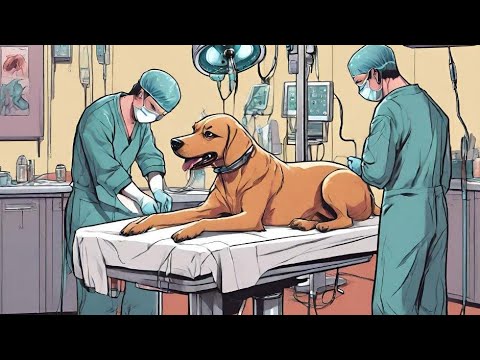
Tibial Plateau Leveling Osteotomy (TPLO) is a surgical procedure commonly used to stabilize the stifle joint after CCL tears or ruptures. The goal of TPLO surgery is to neutralize cranial tibial thrust or subluxation during weight-bearing by flattening or leveling the tibial plateau angle. By doing so, TPLO surgery eliminates pain during weight-bearing and slows down the progression of osteoarthritis in the stifle joint. Compared to alternative procedures, TPLO has been shown to provide one of the best returns to normal clinical function.
Recovery Expectations After TPLO Surgery

The recovery period after TPLO surgery can be lengthy and frustrating for both pet owners and their furry companions. The stages of recovery vary depending on several factors, including the patient’s age, weight, overall health, and the severity of the CCL tear or rupture. It is also influenced by concurrent injuries, surgical technique, and postoperative management strategies. Here is a general timeline of what to expect during the recovery process:
Immediate Postoperative Period (0-2 Weeks)
During the immediate postoperative period, the focus is on pain management, wound healing, and preventing complications. The patient may experience some discomfort, and moderate exercise restriction is necessary to ensure proper healing. Physical therapy and rehabilitation exercises may be initiated to maintain joint mobility and prevent muscle atrophy.
Weeks 2-6
As the surgical site continues to heal, the patient will gradually regain weight-bearing ability and mobility. Physical therapy and rehabilitation exercises play a crucial role in this stage to improve muscle strength and joint function. Controlled and supervised activity is encouraged to prevent excessive strain on the surgical site.
Weeks 6-12
By this stage, the patient should be showing significant improvement in weight-bearing and mobility. The focus shifts towards rebuilding muscle strength and endurance. Physical therapy and rehabilitation exercises should continue, along with controlled and supervised activity. Regular veterinary check-ups will monitor the progress and make any necessary adjustments to the rehabilitation plan.
Months 3-6
At this point, the patient should be nearing full recovery. However, it is essential to remember that every dog’s healing process is unique. Rehabilitation exercises should continue to improve muscle strength, joint stability, and range of motion. Gradual return to normal activity levels is possible, but caution should be exercised to prevent reinjury.
Beyond 6 Months
After six months, most dogs should have fully recovered from TPLO surgery. However, it is essential to monitor the patient’s joint health and manage any signs of osteoarthritis. Maintaining a healthy weight, regular exercise, and joint supplements may be recommended to support long-term joint health.

Common Complications After TPLO Surgery
While TPLO surgery is generally successful, complications can arise in some cases. It is crucial to be aware of these potential complications and seek appropriate veterinary care if they occur. Here are some common complications that can occur after TPLO surgery:
Incisional Complications
Incisional complications include seromas and incision infections. Seromas are nonpainful, soft swellings that may appear around the incision site. Incision infections, on the other hand, may display signs such as redness, heat, swelling, and discharge. Proper wound care, including limiting activity, warm compresses, and potential antibiotics, is necessary to manage these complications.
Infection
Infection can occur in the implant, underlying bone, or within the stifle joint itself. Implant-associated infections can result from bacterial colonization and biofilm formation. Deep infections may manifest as joint pain, skin lesions, or systemic signs of infection. These infections may require antibiotic treatment and, in some cases, implant removal.
Persistent Stifle Instability
Despite the surgical correction, stifle instability can persist or recur due to implant failure or the pivot shift phenomenon. Implant failure may result from inadequate activity restriction during the healing period or fractures of the tibial tuberosity or fibula. Persistent instability can lead to increased risk of osteoarthritis and meniscal injury.
Patellar Desmopathy
Thickening of the patellar ligament is a common finding after TPLO surgery. In most cases, this thickening is nonpainful and resolves within a few weeks. However, a small percentage of patients may experience clinical desmopathy, characterized by lameness and pain on palpation of the ligament. Treatment options include pain management and rehabilitative modalities.
Meniscal Injury
Meniscal injuries can occur before or after TPLO surgery, especially in cases of persistent instability. Acute onset lameness, joint effusion, and a meniscal click during joint motion are common signs of meniscal injury. Surgical intervention may be necessary to remove the damaged portion of the meniscus.
Delayed or Incomplete Osteotomy Healing
Delayed or incomplete healing of the osteotomy site can occur in some cases. This may be due to systemic factors or stress shielding, where the rigidity of the stabilization and lack of forces through the bone impede proper healing. Rehabilitation exercises and potential interventions like shockwave therapy or bone grafting may be necessary to promote healing.
Sarcoma
In rare cases, sarcoma of the proximal tibia can occur after TPLO surgery. This is more likely in cases involving certain types of implants. Clinical signs include lameness, pain on palpation, bony thickening or swelling, and possible pathologic fracture. Radiographic examination is necessary for diagnosis.
Rehabilitation and Myofascial Sequelae
In addition to the potential complications, it is important to consider rehabilitation and myofascial sequelae that can occur after TPLO surgery. Loss of stifle range of motion, muscle atrophy, myofascial sensitivity, abnormal function, and progressive osteoarthritis are common issues that may require further evaluation and intervention. Rehabilitation exercises, physical therapy modalities, and pain management techniques can help improve outcomes and enhance the patient’s quality of life.
Conclusion
TPLO surgery is an effective treatment option for dogs with CCL tears or ruptures. While complications can occur, proper veterinary care and rehabilitation can help manage these issues and promote successful recovery. It is essential for pet owners to be aware of potential complications and to work closely with their veterinarian to ensure the best possible outcome for their furry companions. With appropriate care and monitoring, dogs can recover well and regain their mobility and quality of life after TPLO surgery.
Remember to consult with your veterinarian for personalized advice and guidance regarding your dog’s specific condition and recovery process.

FAQs
Q1: What are common complications with TPLO surgery in dogs?
A1: Common complications with TPLO surgery in dogs include infection, implant loosening, swelling, lameness, and delayed bone healing.
Q2: How do I know if my dog has a problem after TPLO surgery?
A2: Signs of TPLO complications include persistent limping, swelling at the surgery site, discharge, fever, or refusal to bear weight on the operated leg.
Q3: How can TPLO surgery risks be minimized?
A3: Risks from dog knee surgery can be minimized by following strict post-op care instructions, preventing jumping, keeping wounds clean, and attending follow-up vet visits.
Q4: Is infection common after TPLO surgery?
A4: While rare with proper care, infection is a possible complication after TPLO surgery. Early symptoms like redness, heat, and oozing require immediate vet attention.
Q5: Can TPLO complications affect long-term mobility?
A5: Yes, untreated complications like implant failure or infection after TPLO surgery can impair your dog’s long-term mobility. Early treatment is crucial for recovery success.