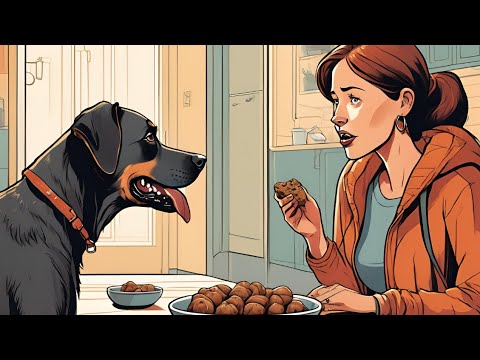
Puppies may lash out during eye contact and treat offering due to fear, confusion, or overstimulation. It’s important to approach calmly, build trust, and use gentle training methods to reduce anxiety and encourage positive interactions.
DoggyZine.com
If your puppy lashes out when you make eye contact and offer treats, it’s often a sign of fear, uncertainty, or stress. Understanding why your puppy reacts this way is key to addressing the behavior. With patience and proper training, you can foster trust and positive responses during treat time.
Raising a puppy can be a truly rewarding experience, filled with moments of pure joy and laughter. However, as any seasoned dog owner knows, it’s not all sunshine and rainbows. One common behavioral challenge that often arises is when a pup becomes defensive and even aggressive in response to certain actions from their human companions. This can be particularly puzzling when the puppy lashes out after the owner makes eye contact or offers a tasty treat.
In this comprehensive guide, we’ll delve into the underlying reasons behind this perplexing behavior, equipping you with the knowledge and strategies to navigate these situations with confidence. By understanding the complex interplay of canine psychology, communication, and training, you’ll be empowered to foster a harmonious and trusting relationship with your four-legged friend, ensuring a lifetime of companionship and mutual understanding.
Table of Contents
Canine Communication: The Language of the Eyes
To unravel the mystery behind a puppy’s defensive behavior when faced with direct eye contact, we must first explore the nuances of canine communication. In the world of dogs, the eyes serve as a powerful medium for conveying intent and emotional state.
The Dominance Dilemma
Contrary to popular belief, prolonged eye contact is not a sign of affection or bonding in the canine realm. Instead, it is often interpreted as a challenge or assertion of dominance. From a dog’s perspective, holding steady eye contact with a human can be perceived as a threat, triggering a defensive or aggressive response as the puppy attempts to assert its own status within the pack hierarchy.
Anxiety and Overstimulation
Additionally, some puppies may simply find direct eye contact to be overstimulating or anxiety-inducing. The intensity of the gaze can overwhelm their senses, leading them to react with behaviors like growling, snapping, or even biting as a means of self-protection.
Predatory Instincts
Another factor to consider is the inherent predatory instincts of dogs. In the wild, predators often use direct eye contact to single out and stalk their prey. While domesticated pups may not have the same hunting drives, this primal response can still be triggered, causing them to perceive the human’s gaze as a potential threat.

The Treat Conundrum: Possession and Anxiety
Offering a treat to a puppy can also elicit a defensive reaction, and the reasons behind this behavior are multifaceted.
Possessive Aggression
Some puppies may develop a strong sense of ownership over their food and treats, leading them to become possessive and aggressive when these resources are threatened. This can manifest as growling, snarling, or even biting when the owner approaches the puppy’s food bowl or attempts to take away a coveted treat.
Anxiety and Uncertainty
Additionally, the introduction of a treat can create a sense of anxiety or uncertainty in the puppy’s mind. The puppy may perceive the treat as a valuable resource that could be taken away, triggering a defensive response as a means of protecting their perceived property.
Learned Behavior
In some cases, the puppy’s defensive behavior may be a learned response, reinforced by previous experiences where the puppy’s aggressive actions successfully deterred the human from taking the treat. This can create a cycle of escalating aggression, as the puppy learns that this behavior is an effective way to maintain control over their resources.
Identifying and Addressing the Root Causes
To effectively address a puppy’s defensive and aggressive behaviors, it’s crucial to identify the underlying causes and tailor the training approach accordingly.
Understanding the Puppy’s Temperament
Begin by closely observing your puppy’s behavior and body language. Is the aggression a response to fear, anxiety, or a perceived challenge to their status? Identifying the primary driver behind the defensive actions will guide the appropriate training and management strategies.
Establishing a Positive Association
One effective approach is to create a positive association between the puppy and the perceived trigger. Gradually expose the puppy to eye contact and treat-offering in a controlled, low-stress environment, pairing these interactions with highly rewarding experiences, such as praise, playtime, or the delivery of their favorite treats. This helps the puppy learn that these situations are not a source of threat, but rather opportunities for positive reinforcement.
Implementing Positive Reinforcement Training
Utilize positive reinforcement training techniques to shape desirable behaviors and replace the defensive responses with more constructive actions. Teach the puppy alternative behaviors, such as sitting, making eye contact, or performing tricks, that are rewarded with treats or affection. This not only redirects the puppy’s energy but also builds trust and confidence in the human-canine relationship.
Managing the Environment
In the interim, it’s crucial to manage the puppy’s environment to prevent aggressive incidents. This may involve using management tools like leashes, head halters, or crates to maintain control and ensure the safety of both the puppy and the human. Gradually introduce new situations and interactions while closely monitoring the puppy’s reactions and providing appropriate guidance and support.

The Importance of Socialization and Training
Proper socialization and training play a pivotal role in shaping a puppy’s behavior and preventing the development of defensive or aggressive tendencies.
Early Socialization
Exposing puppies to a variety of positive experiences with people, animals, and environments during their critical socialization period (typically between 3-12 weeks of age) helps them develop confidence and resilience. This early exposure lays the foundation for a well-adjusted, adaptable, and sociable dog.
Consistent, Positive Training
Ongoing, positive-reinforcement-based training is essential for reinforcing desirable behaviors and addressing any emerging issues. By teaching the puppy to respond to cues and commands, you can effectively manage their behavior and build a strong, trust-based relationship.
Addressing Underlying Conditions
In some cases, a puppy’s defensive behavior may be rooted in underlying medical or psychological conditions, such as anxiety, fear, or even neurological imbalances. In such instances, it’s crucial to consult with a veterinarian or a qualified animal behaviorist to ensure the puppy receives the appropriate treatment and support.
The Role of the Owner: Fostering a Harmonious Relationship
As the puppy’s primary caregiver, you play a pivotal role in shaping their behavior and cultivating a harmonious relationship.
Consistency and Patience
Consistency in training, management, and interactions is key. Ensure that all family members follow the same guidelines and reinforce the desired behaviors, creating a predictable and secure environment for the puppy.
Empathy and Understanding
Approach your puppy’s defensive behaviors with empathy and understanding. Recognize that these reactions are often a manifestation of the puppy’s own fears, anxieties, or instinctual responses, rather than a personal attack. By adopting a compassionate mindset, you’ll be better equipped to guide your puppy through these challenges.
Ongoing Commitment
Addressing a puppy’s defensive behaviors requires a long-term commitment. Be prepared to invest time, patience, and consistent effort in training and socialization. With dedication and the right approach, you can help your puppy overcome their fears and develop into a well-adjusted, confident, and affectionate companion.
Conclusion: Embracing the Journey
Navigating the complexities of a puppy’s defensive behaviors can be a daunting task, but with the right knowledge and a willingness to learn, you can overcome these challenges and forge a deep, lasting bond with your four-legged friend.
By understanding the underlying causes, implementing effective training strategies, and fostering a nurturing environment, you can help your puppy develop into a well-adjusted, confident, and loving companion. Embrace the journey, celebrate the small victories, and remember that with patience, consistency, and a whole lot of love, you can create a harmonious and rewarding relationship that will enrich your life for years to come.

FAQs
Why does my puppy lash out when I try to give treats?
Your puppy may feel scared or overwhelmed during eye contact and treat offering, causing defensive behavior. Calm approaches help reduce this reaction.
Is it normal for puppies to show aggression when making eye contact?
Yes, some puppies interpret direct eye contact as threatening. Gradual socialization and positive reinforcement are crucial to improve their comfort.
How can I stop my puppy from lashing out during treat time?
Use slow, gentle movements, avoid prolonged eye contact, and reward calm behavior consistently. Training sessions should be short and positive.
Could health issues cause my puppy’s aggressive reactions?
Sometimes pain or discomfort leads to lashing out. A veterinary check-up can rule out medical causes before behavioral training.
When should I seek professional help for my puppy’s behavior?
If aggressive behavior persists or worsens despite training, consult a professional dog trainer or behaviorist to ensure safety and proper management.
“Rottweiler Graphic Tee for proud dog lovers.”